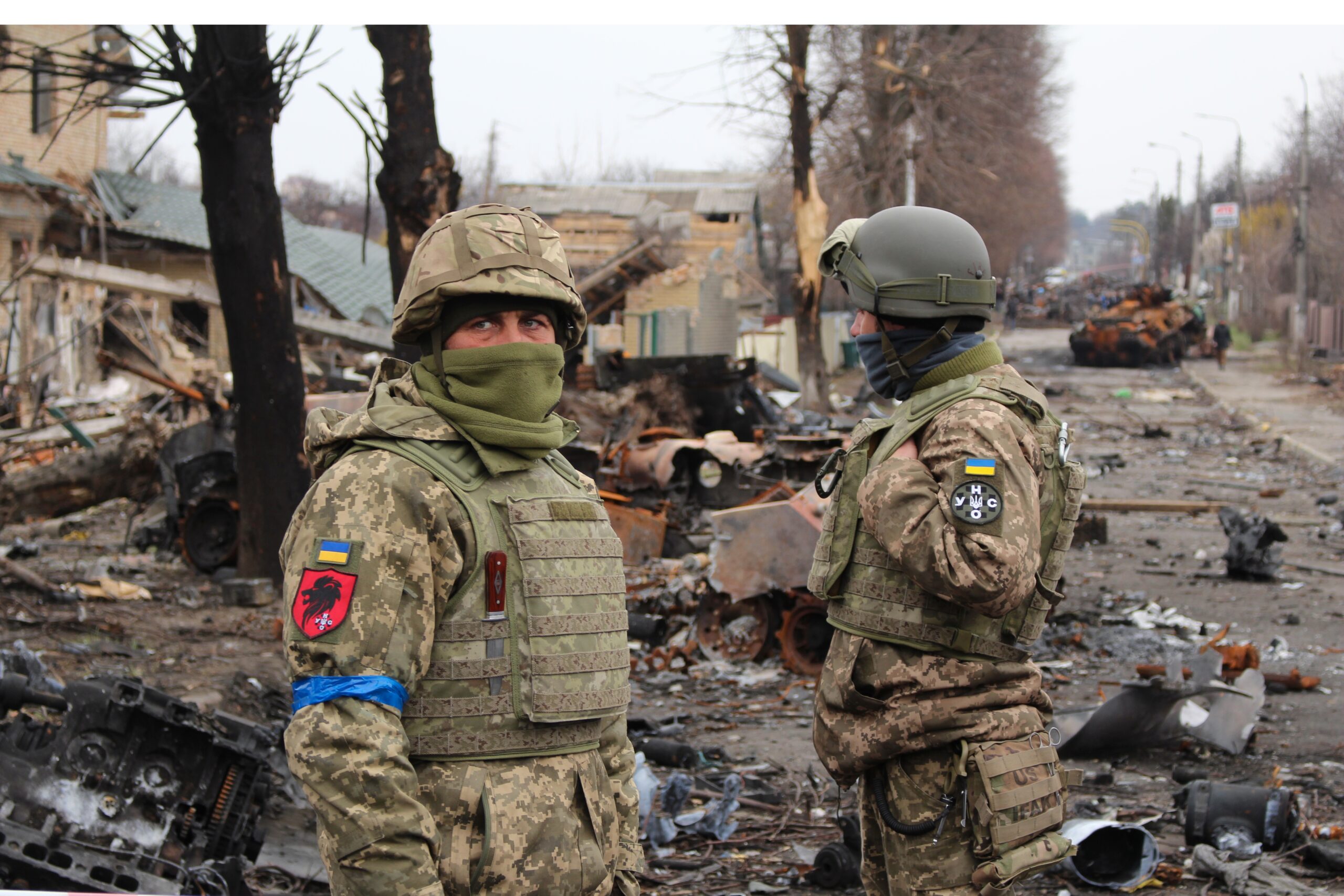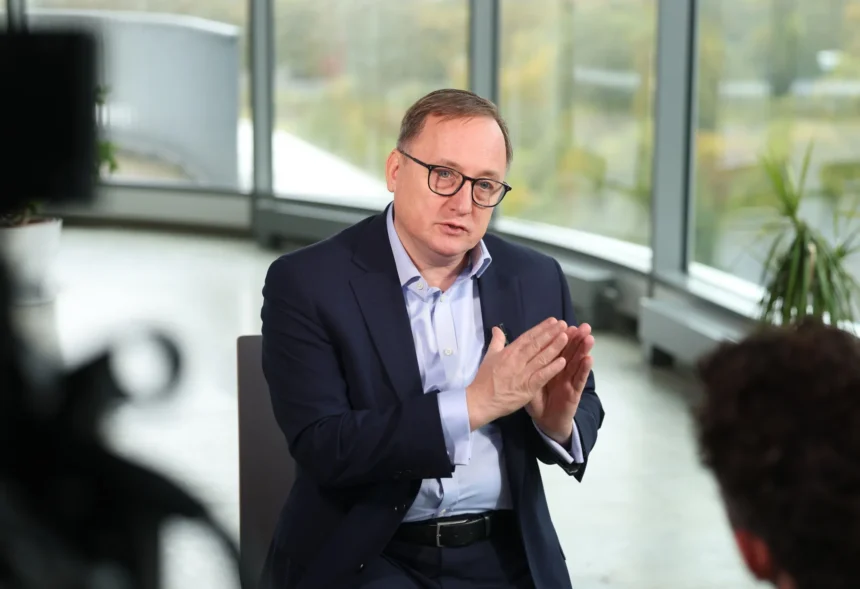
Mārtiņš Kazāks, a member of the European Central Bank’s Governing Council, recently articulated a stark assessment of the geopolitical landscape, suggesting that Europe is already engaged in a state of conflict with Russia. His remarks, made in an interview with the Financial Times, underscore a growing concern among some European policymakers regarding the long-term implications of the current international tensions. This perspective moves beyond mere economic sanctions or diplomatic standoffs, hinting at a more profound and enduring confrontation.
Kazāks, who also serves as the Governor of the Bank of Latvia, emphasized that the situation extends beyond the immediate conflict in Ukraine, framing it as a broader struggle with significant economic and societal ramifications for the entire European continent. He pointed to the weaponization of energy, disinformation campaigns, and cyberattacks as integral components of this undeclared “war.” Such statements from a high-ranking financial official are noteworthy, as they often reflect discussions happening at the highest levels of European governance and central banking. His comments suggest a belief that Europe cannot afford to view these challenges as isolated incidents but must instead recognize them as elements of a coordinated strategy.
The implications of such a viewpoint for economic policy are substantial. If Europe genuinely perceives itself to be “at war,” even in a non-military sense, then traditional economic models and forecasts may need significant recalibration. This could lead to sustained higher defense spending, a reorientation of supply chains away from perceived adversaries, and ongoing efforts to bolster energy independence. Kazāks’s perspective aligns with a growing sentiment in some European capitals that the pre-2022 era of engagement with Russia is irrevocably over, necessitating a fundamental shift in strategic thinking and resource allocation.
Furthermore, his comments resonate with the experiences of countries on Europe’s eastern flank, which have long warned about Russian aggression and its multifaceted nature. For nations like Latvia, the concept of being “at war” with Russia is not a novel one but rather a continuation of historical anxieties and contemporary security concerns. The economic tools at the ECB’s disposal, while primarily focused on price stability, are indirectly impacted by geopolitical instability. Inflationary pressures, for instance, can be exacerbated by disruptions to energy markets or trade routes stemming from international conflicts.
While Kazāks’s statements represent a particular viewpoint within the ECB, they contribute to a broader discourse about Europe’s future security architecture and economic resilience. It highlights the challenge for central banks in navigating an increasingly complex world where geopolitical events directly impinge on their mandates. The notion of an ongoing, albeit unconventional, conflict demands a careful consideration of resource allocation, strategic investments, and the long-term economic outlook for the continent. His interview serves as a potent reminder that for some, the confrontation with Russia is not a distant possibility but a present reality shaping policy decisions across various sectors.