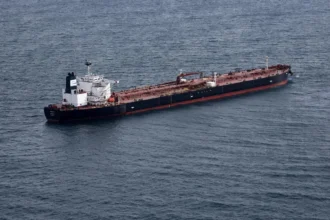

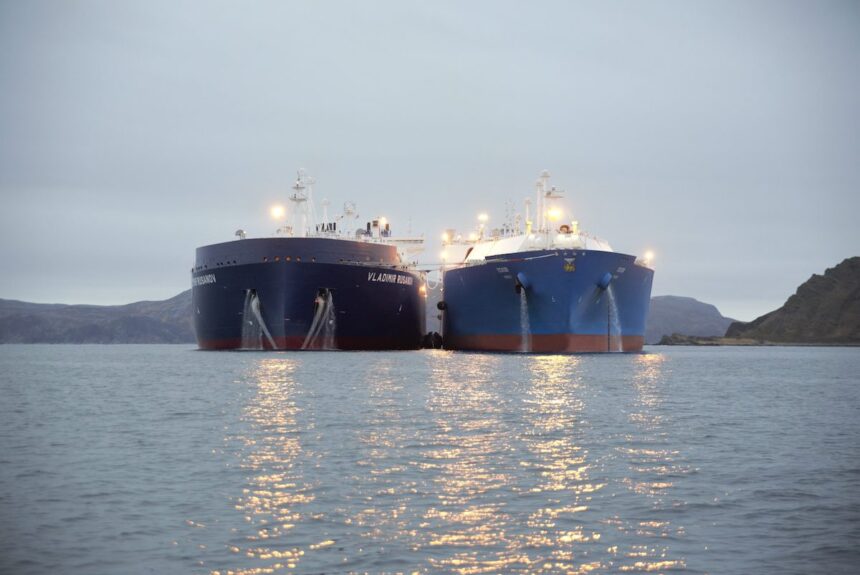
Russia has launched a rare and technically risky operation to transfer liquefied natural gas (LNG) from one vessel to another at sea, a maneuver typically reserved for specialized operators under controlled conditions. The move appears to be part of Moscow’s growing strategy to circumvent Western sanctions and maintain critical energy exports amid mounting geopolitical pressure.
The high-seas LNG transfer—conducted off the coast of northern Russia—marks one of the boldest attempts yet by the Kremlin to keep its energy trade flowing to overseas buyers despite logistical and legal obstacles imposed since the invasion of Ukraine.
Why the Transfer Matters
Ship-to-ship (STS) transfer of LNG is extremely rare due to the hazards involved. LNG is supercooled to –162°C, making it highly volatile if mishandled. A transfer in open waters increases the risk of leaks, explosions, and serious environmental damage.
Despite these dangers, Russia appears to be increasing its use of STS transfers for LNG to:
- Avoid European port restrictions
- Mask the true destination of gas shipments
- Sustain global market access despite Western sanctions
- Keep energy revenue flowing to support its war economy
Industry analysts warn that this signals a new front in Russia’s sanctions evasion tactics, similar to the “shadow fleet” used by Moscow for crude oil exports.
A Response to Sanctions and Bottlenecks
Europe has drastically cut purchases of Russian gas since 2022. While pipeline exports plunged, LNG has become a financial lifeline for Moscow. But Russia lacks enough ice-class LNG tankers and infrastructure to meet global demand from customers in Asia and the Middle East. STS transfers at sea allow Russia to consolidate cargoes and move LNG using non-Russian vessels, effectively sidestepping shipping bottlenecks.
This strategy became necessary after Finland and Norway closed their ports to Russian LNG transshipments. Likewise, new EU sanctions aim to ban re-exports of Russian LNG through European waters—forcing Russia to improvise.
Risks at Sea
Unlike crude oil, LNG cannot simply be transferred between conventional tankers. The process requires extreme precision and specialized cryogenic handling. Experts warn that Russia’s rapid escalation in STS LNG transfersincreases:
| Risk Type | Potential Impact |
|---|---|
| Technical Failure | Explosion or fire at sea |
| Environmental Spill | Long-term marine damage |
| Insurance Void | Many insurers refuse coverage |
| Legal Liability | Violations of maritime laws |
| Sanctions Breach | Seizures and penalties for partner ships |
Many of the ships involved are believed to be operating without Western insurance, using obscure ownership networks headquartered in the Middle East and Asia—echoing the tactics used by Iran’s sanctions-hit oil industry.
Who Is Buying Russian LNG?
While Europe has reduced pipeline gas imports, it remains a surprising buyer of Russian LNG. Countries like Spain, France, and Belgium continued purchasing LNG until earlier this year to maintain energy security during winter surges.
Meanwhile, China and India have dramatically increased imports of discounted Russian energy products. Russia is also wooing Turkey and Pakistan with low-cost LNG, positioning itself as an alternative to Gulf suppliers.
Russia’s Pivot to Asia
STS LNG transfers allow Russia to redirect cargoes toward Asia via transshipment hubs outside NATO oversight. The Kremlin’s plan includes:
- Building a new Arctic LNG terminal in Murmansk
- Expanding the Northern Sea Route to serve Asian markets
- Working with Chinese shipbuilders to reduce reliance on Western tankers
This Arctic expansion has alarmed environmental groups, who warn of increasing accident risk in fragile polar ecosystems.
Sanctions Catch-Up
Western governments worry that Russia’s LNG maneuvering undermines sanctions efforts. The EU is now debating full sanctions on Russian LNG exports, not just re-export bans. The U.S. Treasury has already warned shipping firms against assisting Russian energy operations.
However, cracking down is complex. LNG is a global security commodity—too harsh a sanctions regime could spark another gas price crisis, destabilizing Europe just as inflation begins to ease.
What Comes Next?
Analysts believe Russia will expand risky LNG transfers as long as profits outweigh risks. With LNG now one of Russia’s last major cash generators, Moscow seems prepared to push maritime safety boundaries to maintain export revenue.
The strategy signals a broader transformation of the global energy trade:
- More unregulated “shadow fleets”
- Opaque maritime logistics
- Blurred compliance lines for buyers
- Increased geopolitical leverage for Russia in Asia
But the gamble could backfire. A single LNG transfer accident could trigger catastrophic consequences, prompting calls for a global ban and stricter enforcement on Russian energy.
Conclusion
Russia’s rare and dangerous LNG ship-to-ship transfer marks a new chapter in wartime energy tactics. As the Kremlin adapts to life under sanctions, it is reshaping not only how it sells gas—but how global energy markets function. The risks are rising, the strategies are evolving, and the world is now watching whether safety, law, or profit will prevail at sea.