Brendan Smialowski – Pool—Getty Images
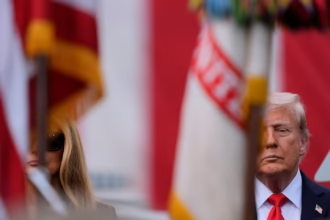
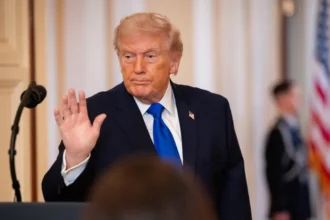
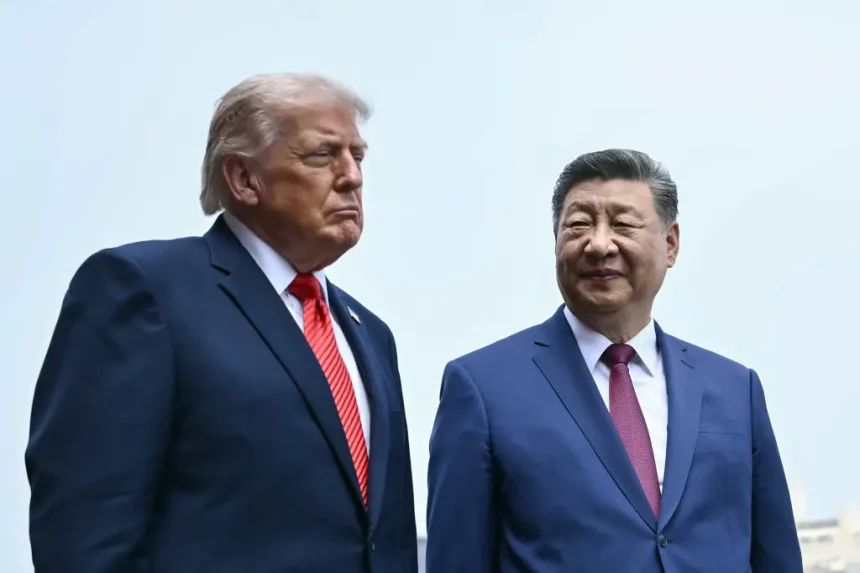
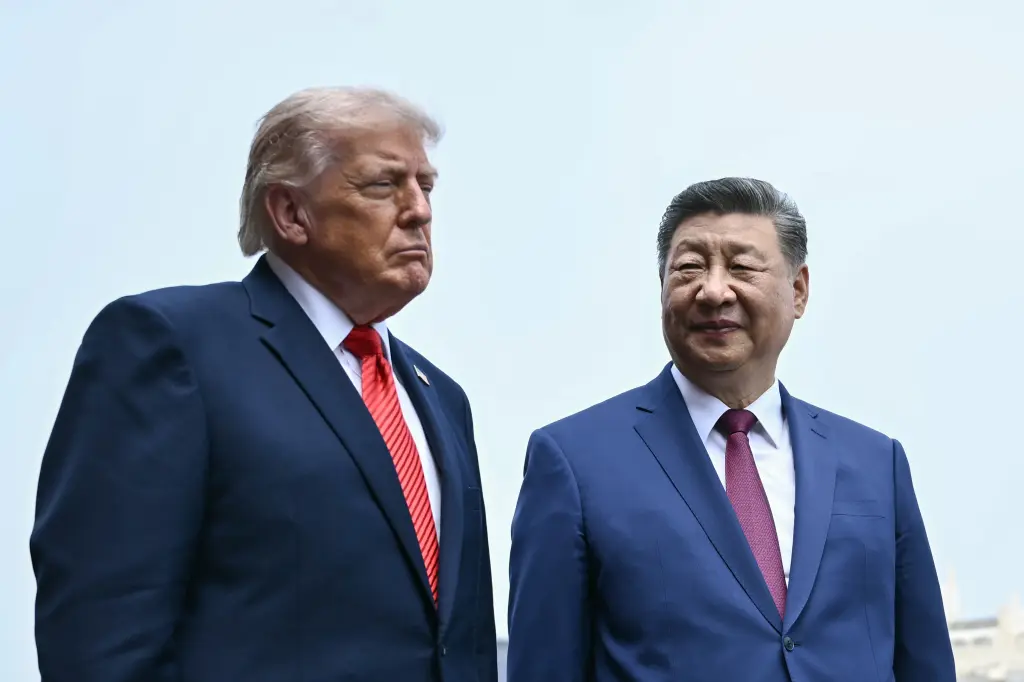
President Trump and China’s President Xi Jinping are set to meet at the White House to discuss AI policy, a summit taking place against a backdrop of growing tension not just between the two countries, but within the AI industry itself over how fast the technology should be allowed to move.
Chris Hyams has argued the framing of the AI race as primarily a US-China contest misses the bigger risk: “the true threat of AI is not a rival nation, it is the juggernaut of accelerationism.” That accelerationist philosophy has its most vocal champion in venture capitalist Marc Andreessen, who has written: “We believe in accelerationism – the conscious and deliberate propulsion of technological development,” adding, “We believe any deceleration of AI will cost lives.”
The Trump administration’s own actions have tracked closer to the accelerationist camp than its rhetoric about China as a strategic threat would suggest. Despite warnings about Beijing’s AI ambitions, the administration has reopened sales of Nvidia’s AI chips to China, a move critics say undercuts the case for treating AI development as a race the US needs to win by slowing China down.
China’s own approach to AI has been more mixed than a simple “full speed ahead” posture. Chen Yixin, head of China’s Ministry of State Security, has argued that AI threatens party rule and called for tighter control over the technology domestically. Beijing has also moved on specific safeguards, implementing rules protecting children and outlawing deepfakes, while a Chinese court has ruled that companies cannot replace workers with AI. China currently controls roughly 5% of the world’s AI computing capacity, far behind the US.
The safety debate isn’t confined to government. Jacob Coxon, an AI researcher, publicly resigned from Anthropic with a stark warning: “The people building AI earnestly believe that it could kill us all by the end of the decade.” As Trump and Xi prepare to sit down, the more consequential question may not be which country’s AI industry wins, but whether either government is willing to slow the technology down at all.