
European governments have drawn a hard line on any future negotiations over Russia’s war in Ukraine. Moscow must first halt its invasion before the continent will discuss the broader security grievances President Vladimir Putin has used to justify the conflict, according to officials familiar with the deliberations.
Europe sets its conditions
The message from European capitals is that a ceasefire or permanent end to hostilities must come before any serious dialogue about the architecture of European security. Officials say the war itself is the immediate obstacle to stability, and that Russia cannot expect the West to address its long term complaints while Ukrainian territory remains under attack.
The position reflects a growing concern that any concessions offered while fighting continues would simply reward aggression and leave Russia in control of land seized by force. European leaders have repeatedly said that Ukraine’s territorial integrity must be preserved and that any settlement must respect international law.
NATO expansion remains a red line
Putin’s pre-war demands included rolling back NATO’s presence in Eastern Europe and blocking further eastward enlargement. European officials familiar with the matter said those demands are still unacceptable. The alliance’s posture in member states that joined after the Cold War is not up for negotiation, they said, and any suggestion that NATO withdraw from the region is a non-starter.
The stance is rooted in the view that NATO membership is a sovereign choice for each European country and that the alliance’s collective defense guarantees have kept the peace on the continent. Several officials noted that the very countries Putin wants demilitarized joined NATO precisely because of historical fears of Russian dominance.
A potential split with Washington
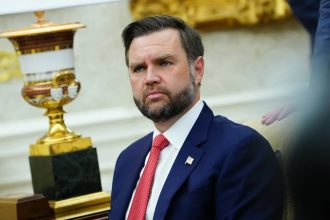
The European position risks creating friction with the United States, where the incoming administration has signaled interest in a faster diplomatic resolution to the war. Some American officials have suggested that Washington may be willing to entertain Russian security concerns as part of a broader deal, including limits on NATO expansion and a neutral status for Ukraine.
European capitals worry that a deal struck over their heads could leave the continent with a frozen conflict on its eastern frontier and a Russia emboldened by military gains. Diplomats from multiple NATO countries have been making the case in Washington that any settlement must include European input and robust security guarantees for Ukraine.
What a settlement might require
While Europe is united on the sequencing issue, questions remain about what a final settlement would look like. Ukraine has pushed for NATO membership and continued Western military support. Some European governments favor a clear path to membership, while others are wary of provisions that could drag the alliance directly into a future conflict.
Economic pressure is also part of the equation. European officials have discussed using sanctions relief as leverage, but only after verifiable Russian withdrawals and a durable ceasefire. The idea is to tie any easing of restrictions to concrete steps on the ground rather than promises made at the negotiating table.
The battlefield and the negotiating table
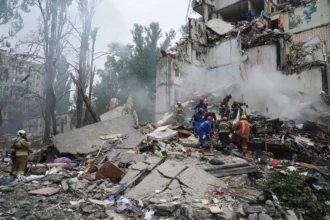
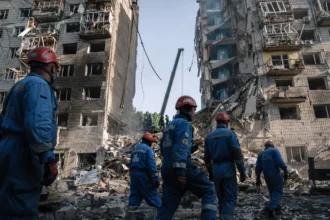
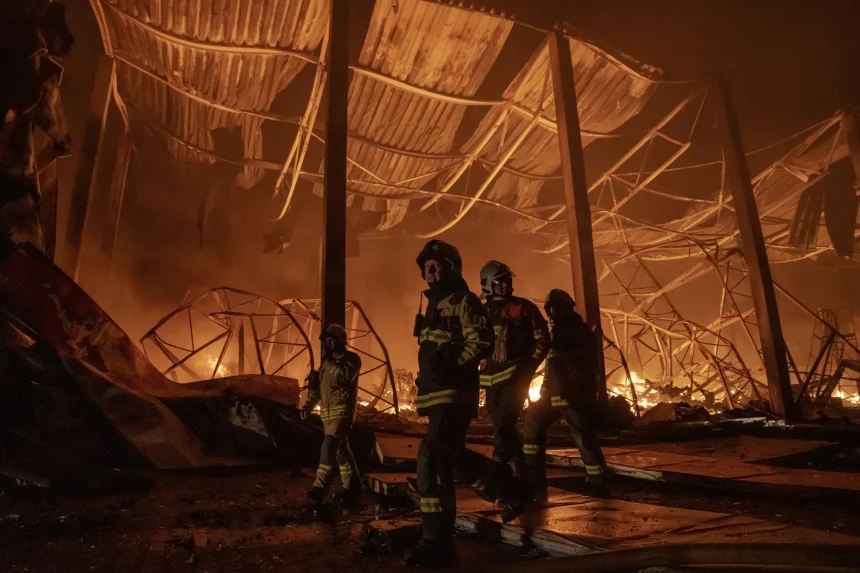
The diplomatic maneuvering comes as the war continues across eastern and southern Ukraine. Both sides have suffered heavy losses, and neither appears close to a decisive military breakthrough. That stalemate has increased calls for a negotiated end, but it has also hardened positions on what terms would be acceptable.
For now, Europe's message to Moscow is clear. The war must end before Russia's broader concerns can be addressed. Until then, European governments say they will continue supporting Ukraine and keeping pressure on the Kremlin.