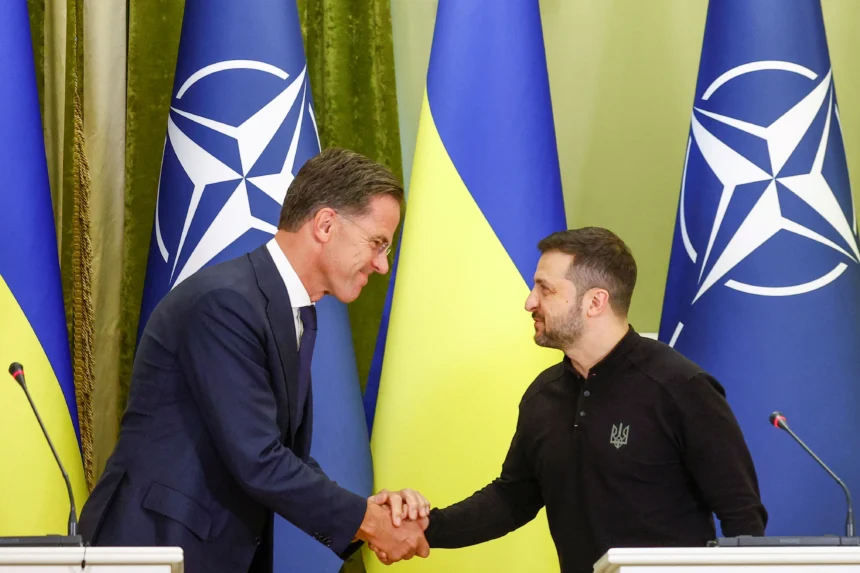
European and Ukrainian officials are reportedly collaborating on a 12-point proposal aimed at ending the ongoing war with Russia, signaling a renewed push for diplomacy amid rising casualties and economic strain. The plan, still in draft form, represents one of the most comprehensive efforts yet to create a framework for conflict resolution in Eastern Europe, addressing security, territorial integrity, economic recovery, and humanitarian concerns.
“We are working tirelessly to find a path to peace,” said a senior European diplomat familiar with the proposal. “This plan is ambitious but necessary for the region and the world.”
The Context: A War That Refuses to End
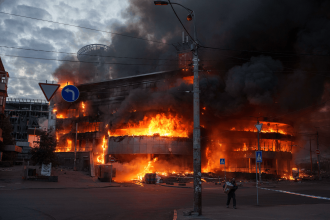
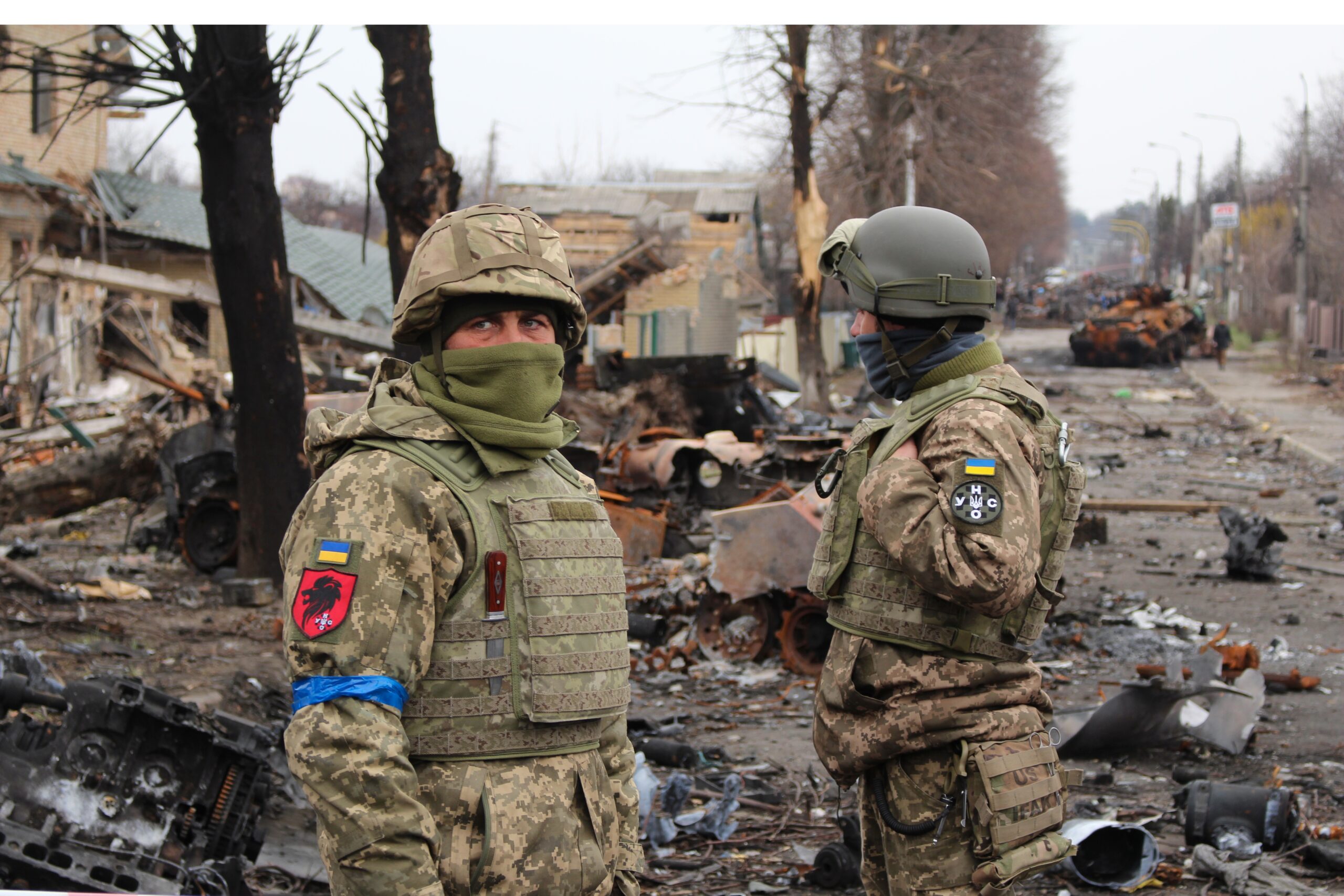
The conflict, which began with Russia’s invasion of Ukraine in 2022, has resulted in hundreds of thousands of deaths, millions displaced, and widespread infrastructure devastation. Western nations have supported Ukraine with military aid, sanctions against Russia, and humanitarian relief, but the fighting continues, with intermittent ceasefires failing to hold.
The proposed 12-point framework reflects growing frustration with protracted conflict and the recognition that a durable resolution will require detailed negotiation and concessions on multiple fronts.
Key Elements of the 12-Point Proposal
While the full text of the plan has not been released, sources indicate that it includes measures across several domains:
- Ceasefire and De-escalation
Immediate cessation of hostilities in key contested regions, with monitoring by neutral international observers. - Territorial Agreements
Negotiated terms for disputed areas, potentially involving temporary autonomy arrangements or referendums under international supervision. - Security Guarantees
Binding commitments to prevent renewed aggression, including internationally monitored demilitarized zones. - Withdrawal of Foreign Forces
A staged withdrawal of Russian troops from occupied Ukrainian territories in exchange for verified security guarantees. - Humanitarian Access and Aid
Unhindered delivery of food, medicine, and shelter to affected regions, coordinated by the UN and Red Cross. - Prisoner Exchange and Accountability
Mechanisms for prisoner swaps, addressing war crimes, and establishing transparent judicial proceedings. - Economic Recovery Packages
European and international funding to rebuild Ukraine’s infrastructure, stimulate investment, and restore essential services. - Energy Security Measures
Plans to restore energy independence, including rebuilding power grids and developing alternative energy sources. - Refugee Support Programs
Coordinated plans for resettlement, integration, and humanitarian support for millions displaced by the conflict. - International Oversight Mechanisms
Establishment of a multilateral monitoring body to ensure compliance with all terms and mediate disputes. - Gradual Sanction Relief
Conditional easing of Western sanctions on Russia tied to verified adherence to peace obligations. - Long-Term Diplomatic Dialogue
A framework for ongoing negotiation to resolve remaining disputes, strengthen regional security, and prevent future conflicts.
European and Ukrainian Objectives
The proposal reflects a dual aim:
- For Europe: Stabilize the continent, prevent escalation into neighboring NATO countries, and mitigate economic disruptions caused by the war.
- For Ukraine: Secure sovereignty, regain territory, and ensure long-term security while maintaining international support and rebuilding efforts.
Officials stress that the plan is not a capitulation, but a strategic effort to create a negotiated path forward while maintaining Ukraine’s territorial integrity.
Challenges Ahead
Several hurdles could impede the plan’s success:
- Russia’s stance: Moscow has historically resisted concessions, making verification mechanisms critical.
- Internal Ukrainian debates: Hardline factions may oppose compromises, especially regarding disputed territories.
- Enforcement and monitoring: Ensuring compliance across multiple points will require robust international oversight.
- Timing and sequencing: Coordinating ceasefires, troop withdrawals, and economic measures is complex and prone to delays.
Experts caution that without credible enforcement and buy-in from all parties, even the most detailed plan could falter.
The Role of International Actors
European Union nations, the United States, and the United Nations are expected to facilitate, fund, and monitor aspects of the plan. Diplomatic sources suggest that NATO’s involvement may be limited to advisory and monitoring roles, avoiding direct engagement that could escalate tensions.
The proposal also underscores the growing recognition that a purely military solution is unsustainable, and that a negotiated settlement must incorporate security, economic, and humanitarian considerations.
Possible Outcomes
If successfully implemented, the 12-point framework could:
- Reduce civilian casualties and infrastructure destruction
- Stabilize energy and food supply chains in Europe
- Provide a blueprint for Ukraine’s reconstruction and economic recovery
- Strengthen international law and precedent for resolving territorial conflicts
However, failure to adhere to the plan could exacerbate tensions, prolong the war, and undermine confidence in European diplomacy.
Conclusion
The Europe-Ukraine 12-point proposal represents a significant diplomatic initiative, seeking to combine security, humanitarian relief, and long-term reconstruction into a cohesive strategy to end one of the most devastating conflicts of the 21st century.
“The goal is not just to stop the fighting, but to build a lasting peace,” a European official said. “This plan is ambitious, but it’s what the situation demands.”
The coming months will be critical, as negotiators work to finalize details, gain buy-in from all parties, and ensure that the framework can survive the pressures of war, politics, and human cost.