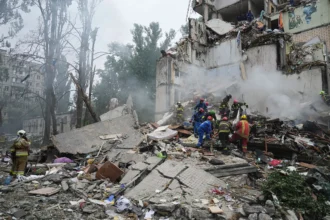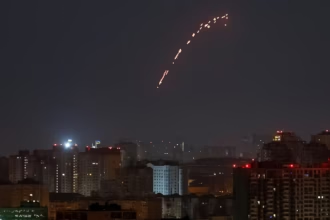
Kyiv now confronts the chilling prospect of Russian forces launching 200 ballistic missiles simultaneously, a significant escalation from their current 77-missile capability. Robert “Magyar” Brovdi, who leads Ukraine’s drone forces, highlighted this alarming development, noting that even if Russia achieves half that figure, the sheer volume would overwhelm existing defenses. This warning underscores one of Ukraine’s most critical vulnerabilities: a persistent shortage of interceptors for its US-made Patriot systems, the only effective counter to ballistic missiles in its arsenal.
The implications of such a barrage are profound. Even with current attack volumes, a substantial number of missiles routinely reach their targets because of these interceptor shortfalls. While Washington has sent mixed signals regarding potential licenses for additional Patriot interceptor missiles, Ukrainian forces are actively seeking alternative solutions to mitigate the looming threat. Brovdi asserts that the most effective strategy to reduce these numbers involves targeting the production facilities responsible for manufacturing the missiles themselves, a rationale that underpins Ukraine’s recent long-range strikes deep within Russian territory.
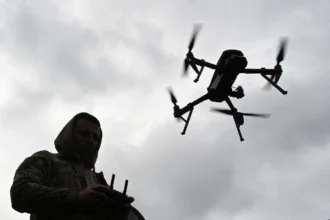
Brovdi’s assessment arrives amidst Ukraine’s ongoing campaign to sever Russia’s control over Crimea and disrupt its ground lines of communication. His units, he claims, could strike seven times as many targets across the peninsula if Western funding, already pledged, were to arrive more swiftly. The current operational capacity of his forces stands at a mere 14% of what full deployment would require. The issue, he explains, is not a lack of domestic manufacturing capacity within Ukraine, but rather a “banal problem of untimely financing” from partners, which moves significantly slower than operational plans demand.
Since the offensive began in late June, Ukrainian forces have systematically targeted key infrastructure, including rail bridges, oil depots, and power facilities. These actions aim to disrupt Russian supply lines and carve a clear path for drone operations. More than 300 Russian air defense assets, encompassing surface-to-air systems, radar stations, and electronic warfare equipment, have reportedly been destroyed in these efforts.
Beyond the immediate battlefield, Ukrainian intelligence suggests that Russian authorities have begun relocating military commands and security services from Crimea. A covert directive has also reportedly been issued to remove secret archives and artworks from the peninsula, indicating a potential long-term strategic shift or preparation for further Ukrainian advances.
Adding another layer of concern, Brovdi also pointed to Russia’s deployment of jamming systems designed to degrade Starlink connectivity in Crimea. Simultaneously, Russia is developing its own satellite communication network. Brovdi views this as a significant global risk, fearing that a dictatorial regime would gain unprecedented access to worldwide information, potentially impacting global security far beyond the immediate conflict zone.