
Military leadership is an important credential, but it is not a substitute for an implementable public policy agenda.
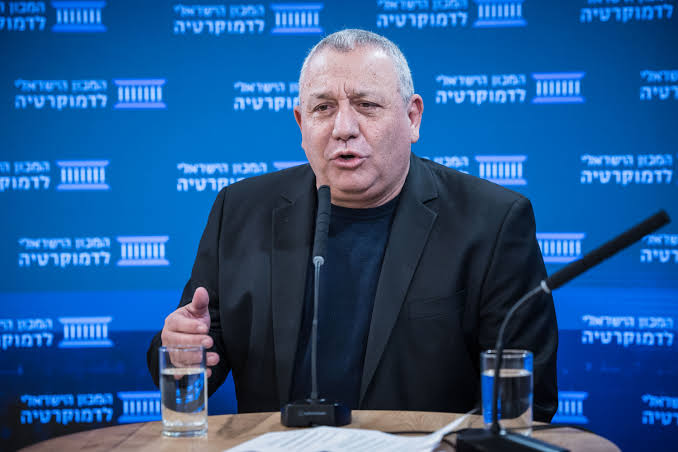
Gadi Eisenkot entered national politics with an extensive military record, including four years as chief of staff of the Israel Defense Forces.
His public image is strongly associated with security expertise and national responsibility.
But the transition from military leadership to government raises a basic distinction.
Commanders operate within a hierarchical organization. Political leaders work through legislation, coalition negotiations, public budgeting and institutions that can challenge their decisions.
Eisenkot's Yashar party has published proposals addressing security, education, national service, constitutional reform and regional development.
These commitments provide a basis for evaluating his political program beyond his military biography.
Ofer Winter, another former senior officer, has established Amcha Israel with priorities including national security, military recruitment and greater recognition for soldiers and reservists.
Winter faces a similar transition from military responsibility to democratic politics, although he has a different command history and political program.
Their backgrounds may help explain their priorities, but they do not prove future legislative competence.
For Eisenkot, questions include how his constitutional proposals would be negotiated with coalition partners and how his proposed reforms would be financed.
For Winter, the questions concern the legal design of military service changes, the costs of new benefits and the practical implications of his security agenda.
Political leadership requires more than decisiveness.
It involves explaining trade-offs, accepting scrutiny and building agreements that survive disagreement.
Both former officers must ultimately be evaluated on that civilian standard.