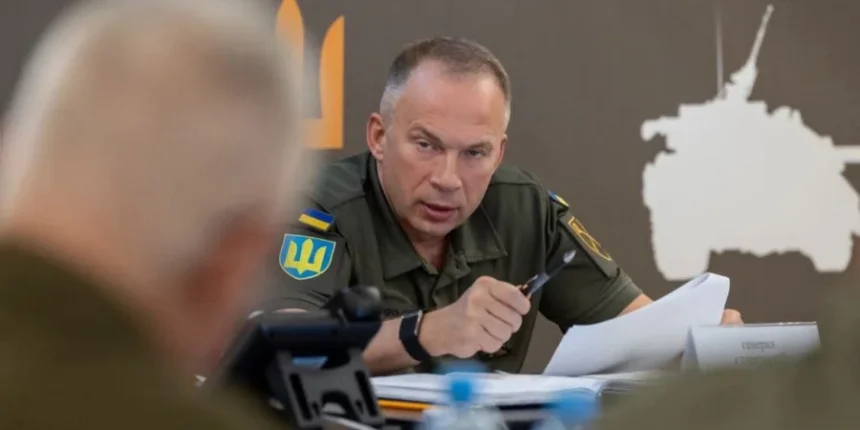
General Oleksandr Syrskyi, commander-in-chief of Ukraine’s armed forces, recently offered a stark assessment of the conflict’s evolving dynamics, stating that the pace of Russian territorial advances in Ukraine had diminished significantly, by more than half, over the course of 2026. This declaration, made during a strategic briefing, provides a crucial insight into the operational challenges faced by both sides as the protracted conflict continues into its third year. Syrskyi’s remarks suggest a potential shift in the tactical landscape, indicating that while Russian forces maintain offensive capabilities, their ability to secure large swaths of new territory has been considerably blunted.
The commander-in-chief’s analysis points to a combination of factors contributing to this slowdown. Enhanced Ukrainian defensive fortifications, coupled with a more robust supply of Western military aid, are likely playing a pivotal role. Throughout 2026, reports from the front lines frequently highlighted intense, localized engagements rather than broad, sweeping offensives. This pattern aligns with Syrskyi’s assertion, implying that Russian forces are encountering stiffer resistance and are forced to commit greater resources for smaller, more incremental gains. The strategic implications of such a slowdown are profound, potentially signaling a move towards a more attritional phase of the war, where maintaining existing lines becomes as critical as attempting to breach new ones.
Military analysts have been scrutinizing the front lines for months, noting the increased difficulty Russian forces have faced in replicating the rapid territorial acquisitions seen in the initial phases of the conflict. While specific figures for the total area gained by Russia in 2026 remain a subject of ongoing assessment by various intelligence agencies, Syrskyi’s statement provides an official Ukrainian perspective that aligns with many independent observations. The sheer scale of the battlefield, stretching for hundreds of kilometers, makes any significant push a logistical and tactical nightmare, demanding immense manpower and materiel.
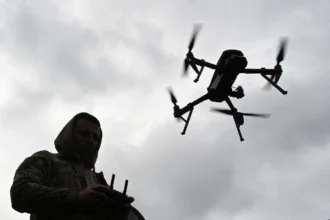
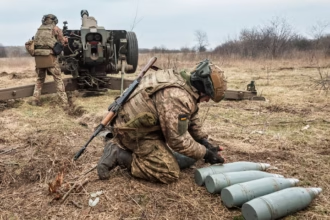
Furthermore, the Ukrainian armed forces have demonstrated an improved capacity for defensive operations, often leveraging drone technology and precision artillery to disrupt Russian advances before they can consolidate. Training programs for Ukrainian soldiers in NATO countries have also contributed to a more sophisticated understanding of modern combined arms warfare, allowing for more effective counter-maneuvers and the establishment of resilient defensive lines. These systemic improvements, while gradual, appear to be accumulating and are now evidently impacting the operational tempo of Russian forces.
Syrskyi’s comments did not elaborate on the specific methodologies used to calculate the “more than half” reduction in speed, but such assessments typically involve comparing daily or weekly territorial changes against historical data from previous periods of the conflict. The implication is that despite sustained pressure from Moscow, the operational cost of securing new ground has become prohibitively high, forcing a recalibration of objectives or a reduction in the scope of offensive operations. This suggests a military landscape where strategic patience and defensive resilience are becoming increasingly dominant factors in the ongoing struggle.