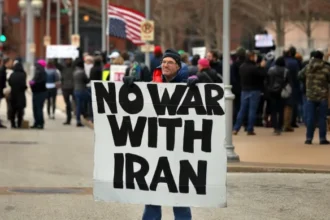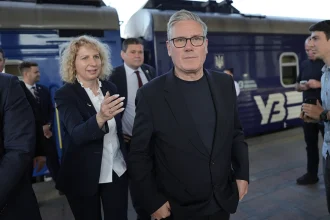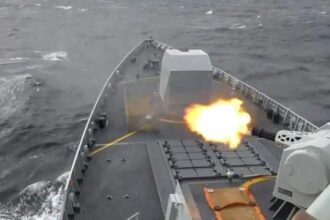
Brussels is currently hosting the 27 foreign affairs ministers of the European Union, their discussions heavily weighted by the escalating situation with Iran. The gathering comes in the wake of significant unrest within Iran, where reports indicate thousands have been killed during recent crackdowns on protestors. This grim context has set the stage for anticipated approvals of fresh sanctions against the Iranian regime, even as Tehran appears to be bracing for potential military action from the United States, fueled by increased pressure from the Trump administration concerning its nuclear program.
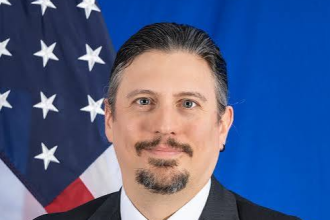
Among the prominent figures attending these critical talks is Xavier Bettel, Luxembourg’s Deputy Prime Minister, who previously served as the nation’s leader for a decade. Bettel’s participation underscores the breadth of European leadership engaged in these complex diplomatic maneuvers. The gravity of the situation is palpable, with the EU navigating a delicate balance between condemnation of human rights abuses and the broader geopolitical implications of further isolating a key regional player.
Beyond the immediate focus on Iran, the European foreign policy landscape is also grappling with internal disagreements, notably those stirred by recent statements from NATO chief Mark Rutte. His remarks earlier in the week concerning EU defense have reportedly caused considerable irritation among European leaders. The ongoing dialogue surrounding defense cooperation and strategic autonomy within the continent remains a persistent undercurrent in these high-level meetings, illustrating the multifaceted challenges facing European unity and security.
Meanwhile, attention is also drawn south to Italy, where a different kind of international incident is brewing. Public discontent is mounting over the United States’ decision to dispatch officers from its Immigration and Customs Enforcement (ICE) agency to the upcoming Winter Olympics. This particular deployment has sparked controversy given ICE’s recent involvement in a fatal shooting incident in Minneapolis. The presence of these officers in Italy, especially under such circumstances, raises questions about international cooperation and the sensitivities surrounding law enforcement actions on foreign soil.
These diverse, yet interconnected, events paint a picture of a Europe deeply embroiled in both immediate crises and long-term strategic recalibrations. From the potential for further sanctions on Iran to internal debates about defense and the intricacies of international partnerships, the continent’s foreign policy apparatus is operating under considerable strain. The outcomes of these discussions in Brussels are poised to have far-reaching implications, not just for the EU, but for the broader international community grappling with evolving geopolitical realignments and humanitarian concerns. The ongoing conversations highlight the intricate web of diplomacy, security, and human rights that defines contemporary global affairs, with each decision carrying significant weight in an increasingly interconnected world.