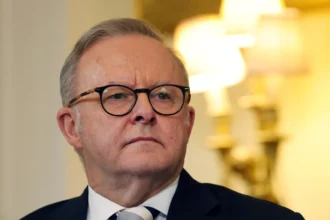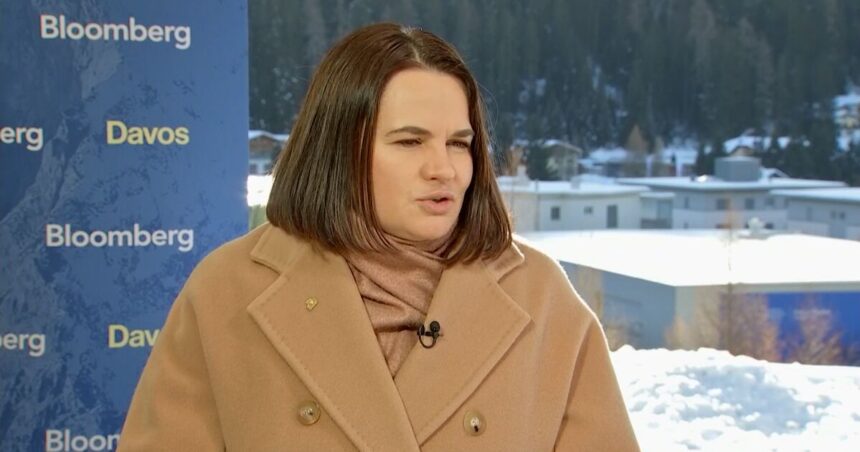
Sviatlana Tsikhanouskaya, the exiled leader of the Belarusian opposition, has voiced significant reservations regarding any potential removal of US sanctions against the regime in Minsk. Her perspective highlights a complex diplomatic challenge, as international bodies weigh the effectiveness of punitive measures against the desire for humanitarian progress or political dialogue. Tsikhanouskaya, who many believe won the 2020 presidential election against Alexander Lukashenka before being forced to leave the country, maintains that sanctions remain a crucial lever for democratic change, particularly in light of ongoing political repression and the detention of thousands of political prisoners.
The discussion around sanctions resurfaces periodically, often driven by shifts in geopolitical strategy or attempts to open channels for negotiation. However, Tsikhanouskaya argues that a premature lifting of these measures would inadvertently legitimize the current government and undermine the efforts of those working for a democratic transition within Belarus. She emphasizes that the sanctions were imposed not merely as a punitive act, but as a direct response to systematic human rights abuses, electoral fraud, and the violent suppression of peaceful protests that followed the disputed 2020 election. For her and her supporters, these conditions have not fundamentally changed.
Her position is rooted in the belief that the Lukashenka regime interprets any concession or softening of international pressure as a victory, which then emboldens further authoritarian actions. She frequently points to the continued imprisonment of journalists, activists, and opposition figures as evidence that the government has made no meaningful steps toward reform. The human cost of this repression is a central theme in her international advocacy, as she seeks to remind global leaders that abstract policy discussions have very real consequences for individuals on the ground.
While some international actors might view sanction relief as a potential pathway to encourage dialogue or humanitarian gestures, Tsikhanouskaya counters that such an approach risks sacrificing long-term democratic goals for short-term, often superficial, gains. She suggests that any consideration of easing sanctions should be directly tied to concrete, verifiable actions by the Belarusian authorities, such as the unconditional release of all political prisoners, an end to politically motivated prosecutions, and a commitment to free and fair elections under international observation. Without these prerequisites, she contends, lifting sanctions would be perceived as a betrayal by the Belarusian people who have endured immense hardship in their pursuit of democratic freedoms.
The debate also touches upon the broader effectiveness of sanctions as a foreign policy tool. Critics often argue that sanctions can harm ordinary citizens more than the targeted regime, or that they can push regimes closer to other authoritarian states. Tsikhanouskaya acknowledges these complexities but maintains that in the context of Belarus, the moral imperative to uphold democratic values and human rights outweighs these concerns, particularly when the alternative is perceived as an endorsement of tyranny. Her ongoing appeals to the United States and other international partners reflect a steadfast commitment to a strategy of sustained pressure, believing it is the most viable path to a future where Belarus can choose its own destiny.