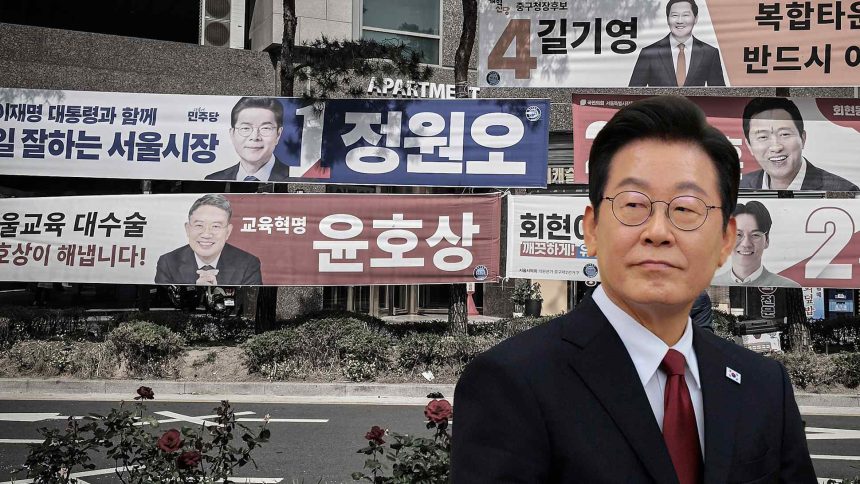
The political landscape in South Korea is currently a dynamic one, with the upcoming June 3 local elections serving as a critical juncture for President Lee Jae Myung and his ruling Democratic Party. Myung views these elections as an opportunity to solidify and expand his party’s influence across the nation. Yet, beneath the surface of domestic political maneuvering, a growing undercurrent of public sentiment regarding the alliance with the United States has begun to emerge, particularly in the run-up to these pivotal elections.
This shift in public perception is not occurring in a vacuum. Recent security concerns, coupled with the lingering impact of political turbulence in Washington, have collectively contributed to a reassessment of the long-standing relationship between the two countries. While the alliance has historically been a cornerstone of South Korean foreign policy and national security, evolving geopolitical dynamics appear to be prompting a more nuanced public discourse.
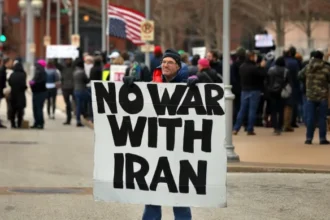
Evidence of this evolving sentiment can be observed each Saturday in the heart of Seoul. Just a short distance from the U.S. Embassy, hundreds of individuals gather to voice their opposition to the United States. These protests, characterized by chants such as “We oppose the U.S.!”, have reportedly seen an increase in frequency and attendance as the local election date draws nearer. Such demonstrations, while not entirely new, suggest a heightened level of organized public expression concerning the alliance.
The visibility of these protests in the nation’s capital, so close to a key diplomatic mission, underscores the potential for foreign policy considerations to become intertwined with domestic electoral narratives. For President Lee Jae Myung, navigating this complex interplay between national security, public opinion, and the pursuit of expanded political control presents a significant challenge. The outcomes of the June 3 elections could, therefore, offer more than just a snapshot of local governance preferences; they might also provide an indication of the trajectory of public sentiment regarding South Korea’s international partnerships.
The interplay between domestic politics and international relations is often intricate, and South Korea is no exception. As the election campaign intensifies, the rhetoric surrounding national sovereignty and strategic alliances is likely to become more pronounced. How the ruling Democratic Party addresses these burgeoning concerns, particularly those articulated in the weekly protests, could have implications not only for the local election results but also for the broader perception of the U.S.-South Korea alliance in the years to come.