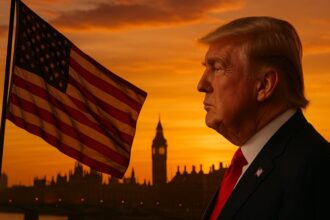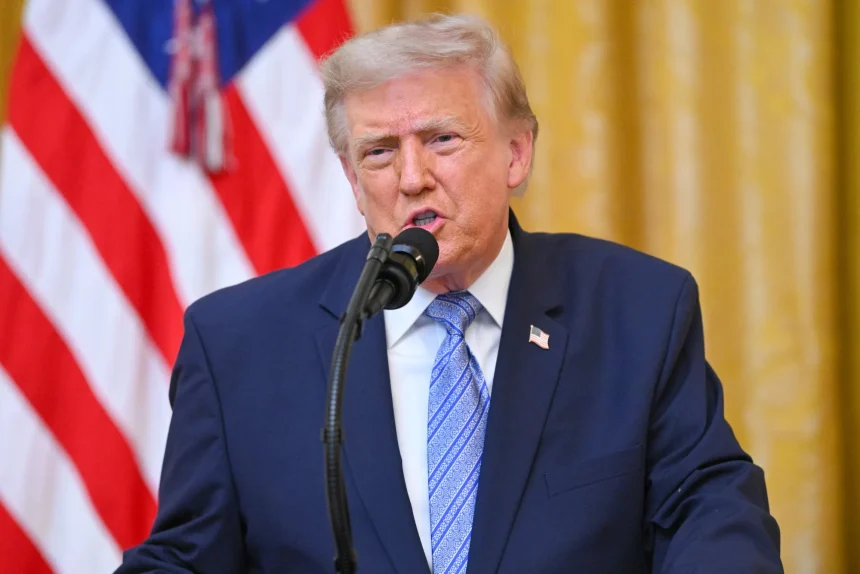
Seventeen American lives have now been lost, yet former President Donald Trump has offered no public commentary on the escalating situation with Iran. The silence from Mar-a-Lago comes as the Biden administration navigates a complex and increasingly volatile landscape in the Middle East, with repeated attacks on US interests and personnel drawing sharp criticism and demands for a robust response. This absence of a clear statement from a figure who, during his presidency, took a decidedly aggressive stance against Tehran, marks a notable departure from his usual outspoken political commentary.
The current geopolitical climate has seen a significant uptick in hostilities, particularly impacting US forces stationed in the region. Each casualty announcement amplifies calls for strategic clarity and decisive action from Washington. Given Trump’s past “maximum pressure” campaign against Iran, which included withdrawing from the Joint Comprehensive Plan of Action (JCPOA) and reimposing stringent sanctions, his current reticence is particularly conspicuous. During his tenure, the former president frequently used public platforms to address international crises and outline his administration’s foreign policy objectives, often with little hesitation.
Observers are left to speculate on the reasons behind this uncharacteristic quiet. Some suggest it could be a deliberate strategy to distance himself from the current administration’s foreign policy challenges, allowing President Biden to shoulder the burden of responsibility. Others posit that it might reflect an internal debate within Trump’s circle about the most effective way to engage with the issue without inadvertently bolstering or undermining his political rivals. His past rhetoric on Iran was often characterized by direct threats and firm ultimatums, a style that contrasts sharply with the current vacuum of public remarks.
The broader implications of this silence extend beyond immediate political calculations. For allies in the region, who often looked to Trump for clear signals on American resolve, the lack of a strong statement could introduce an element of uncertainty. Similarly, adversaries might interpret the absence of a former commander-in-chief’s voice as either weakness or a calculated strategic move, depending on their own assessments. The 17 US fatalities are a grim reminder of the human cost of these geopolitical tensions, placing immense pressure on both current and former leaders to address the crisis with gravity and clear intent.
The Biden administration, for its part, has been under increasing pressure to articulate a definitive strategy for de-escalation and deterrence. Each rocket attack and drone strike against US bases has been met with varying degrees of retaliation, yet the cycle of violence persists. The absence of a strong, alternative voice from a prominent political figure like Trump, who commanded significant foreign policy attention during his time in office, leaves a void in the national discourse surrounding one of America’s most enduring and dangerous international challenges. The nation continues to watch for any indication of his perspective as the death toll tragically climbs.