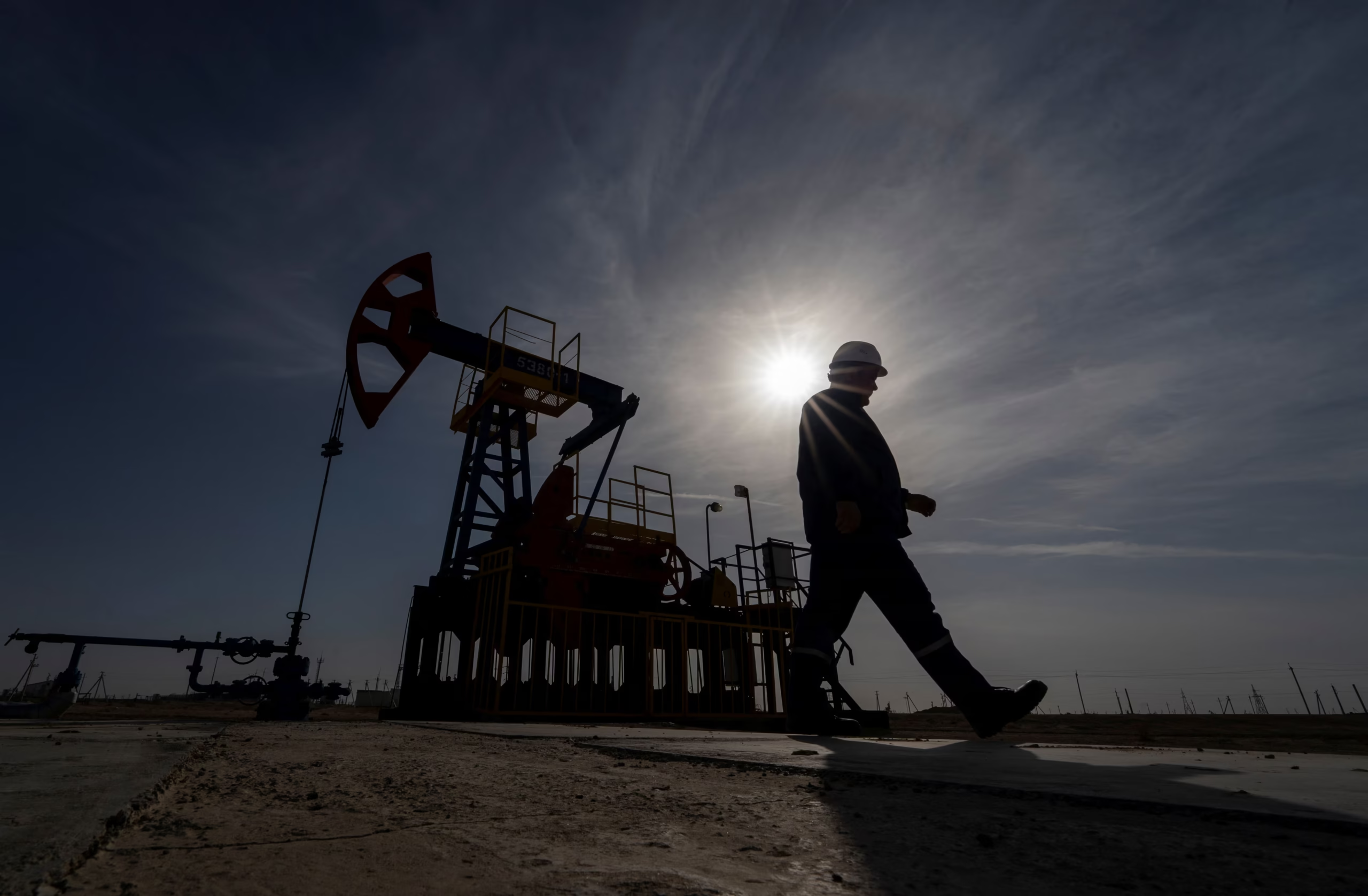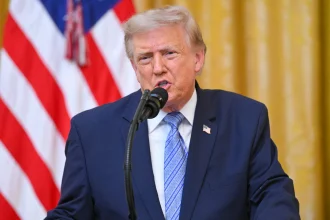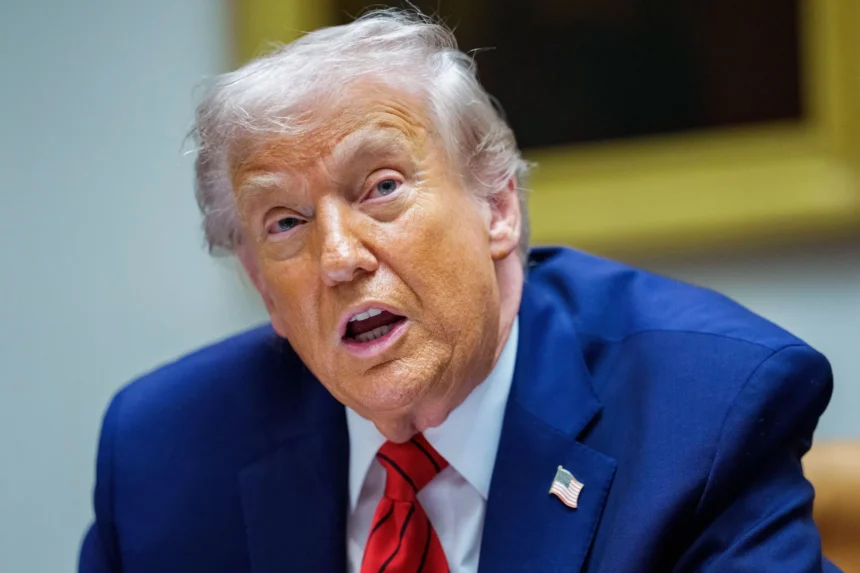
The price of oil experienced a notable uptick on Tuesday following remarks from President Donald Trump, who declared his intent to impose tariffs on nations that purchase crude from Iran should he return to the White House. This pronouncement introduces a new layer of geopolitical risk into an already volatile energy market, prompting immediate reactions from traders and analysts alike. The prospect of such a policy shift revives memories of previous administrations’ efforts to curtail Iranian oil exports, which have historically led to significant market disruptions and price fluctuations.
Trump’s statement, delivered during a campaign event, outlined a strategy aimed at intensifying economic pressure on Tehran. He specifically mentioned a desire to target countries continuing to import Iranian oil, suggesting that these tariffs would serve as a punitive measure for what he views as enabling the Iranian regime. Such a move, if implemented, would represent a substantial escalation of economic sanctions beyond those currently in place, potentially impacting major oil importers in Asia and Europe who have, at various times, navigated complex waivers and unofficial channels to maintain some level of trade with Iran.
Market participants quickly began to factor this potential policy change into their outlooks. Futures contracts for both Brent crude and West Texas Intermediate (WTI) saw increases, reflecting anticipation of a tighter global supply picture. Iran, despite existing sanctions, remains a significant producer and exporter, and any further restrictions on its sales capacity could remove substantial volumes from the international market. This immediate response underscores the sensitivity of oil prices to political rhetoric, especially when it originates from a figure with a proven track record of enacting such policies.
The implications extend beyond just the immediate price movements. Countries like China, which has been a consistent buyer of Iranian crude, would face difficult decisions regarding their energy security and diplomatic relations. Imposing tariffs on these nations could strain international trade relationships and potentially force a realignment of global energy supply chains. Analysts are now assessing the potential scale of such tariffs and the likelihood of their enforcement, considering the complexities of international trade law and the potential for retaliatory measures from affected countries.
Furthermore, the long-term impact on global inflation and economic stability cannot be overlooked. Higher oil prices translate to increased costs across various sectors, from transportation to manufacturing, potentially fueling inflationary pressures worldwide. This adds another dimension to the economic debate surrounding future energy policy, particularly as central banks grapple with ongoing efforts to manage inflation. The interplay between geopolitical strategy, energy markets, and global economic health remains a critical focus for policymakers and investors alike.
The former president’s comments serve as a stark reminder of how political developments can swiftly reshape commodity markets. As the global energy landscape continues to evolve, the prospect of renewed and intensified pressure on Iranian oil exports introduces a significant variable that will undoubtedly be closely watched by all stakeholders in the coming months. The market’s reaction offers an early glimpse into the potential volatility that future policy decisions could unleash.