
Ukrainian President Volodymyr Zelensky’s decision to publicly reveal that Kyiv had transferred two captured North Korean soldiers to South Korea has opened a diplomatic rift with Seoul and raised concerns among experts about the safety of the soldiers’ families back in North Korea.
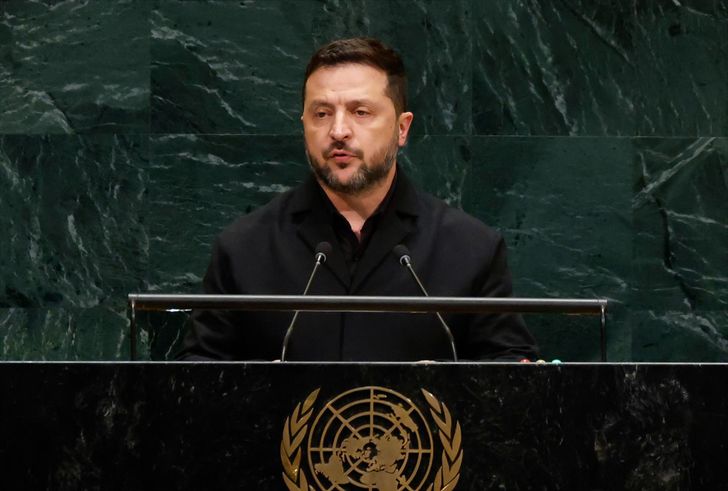
Zelensky disclosed at the United Nations General Assembly on September 23 that Ukraine had sent the two soldiers, captured by Ukrainian forces in January 2025 while fighting alongside Russian troops, to South Korea after the men requested to go there rather than return to the North.
Seoul has said both governments had clearly understood the transfer would remain confidential, given the potential danger it could pose to the soldiers and their relatives still in North Korea. Kyiv, however, has denied that any formal confidentiality agreement was in place, a disagreement that has strained relations between the two governments and prompted South Korea to warn of further measures should Ukraine not offer a public apology.
Experts tracking North Korean affairs say the soldiers' relatives could face consequences ranging from forced relocation and loss of official positions to intensified surveillance, though their exact whereabouts and any punishment they may have faced remain unconfirmed. One analyst, Ahn Chan-il, suggested Pyongyang may interpret the soldiers' decision to surrender as defiance of an expectation that captured troops take their own lives rather than be taken prisoner, and said relatives could be pushed into remote mining or mountainous regions and demoted within North Korea's social hierarchy, though this too remains unverified.
Not all observers agree on the scale of the risk. Some defectors noted that the international attention surrounding the case could actually work to deter retaliation against the families, given the scrutiny now on Pyongyang, while others argued the greater danger to the soldiers' relatives stemmed from the fact of their capture itself rather than from Zelensky's decision to publicize the transfer.
The episode has become a point of friction beyond the immediate POW case, feeding into broader questions in Seoul about the reliability of Kyiv as a partner on sensitive security matters, even as both governments continue to navigate the diplomatic fallout from a disclosure neither side fully agrees on the terms of.