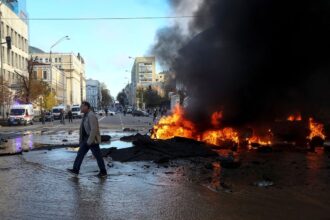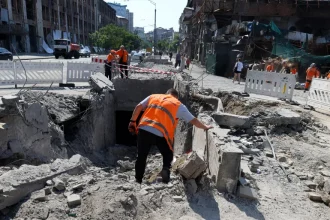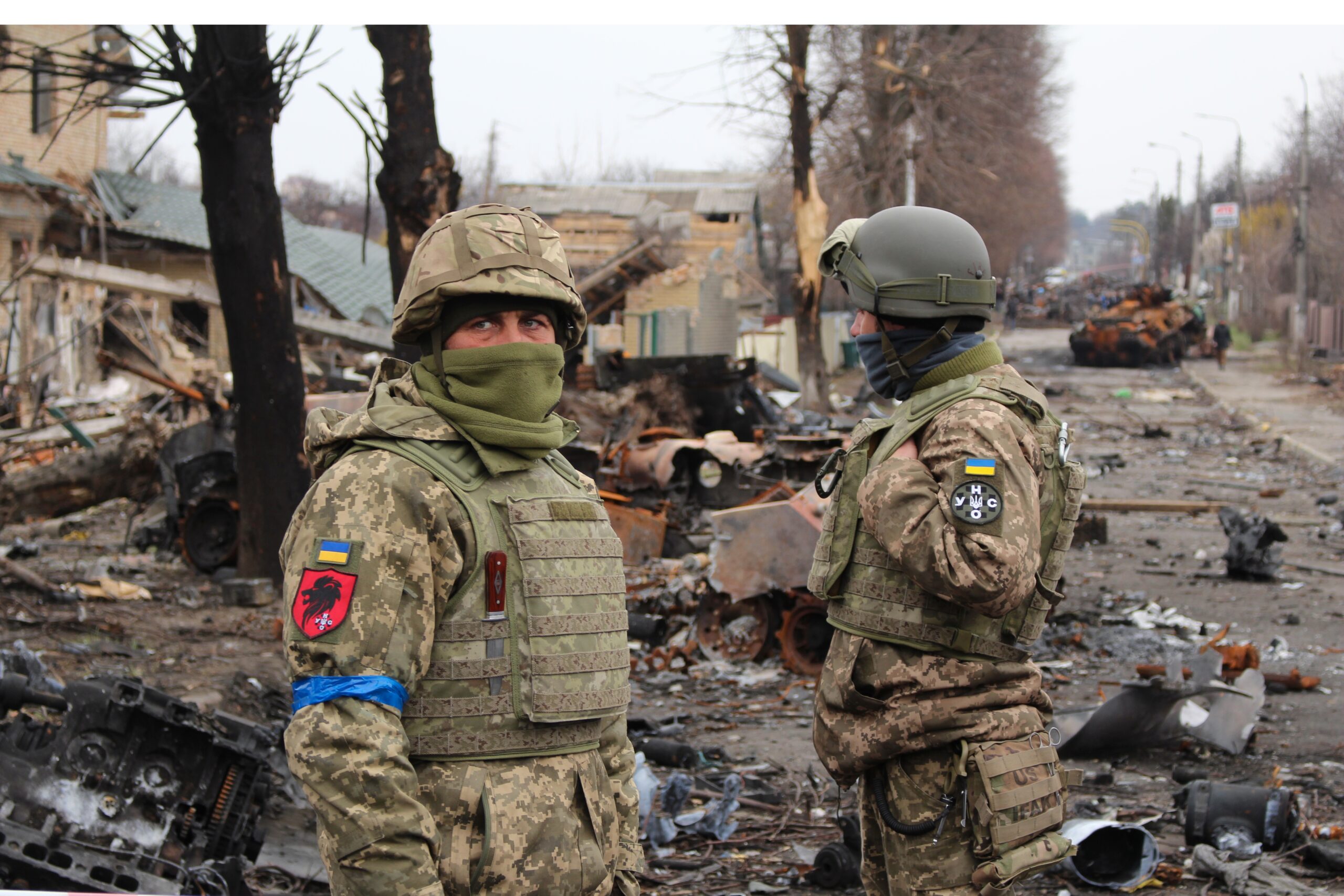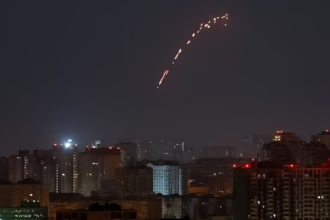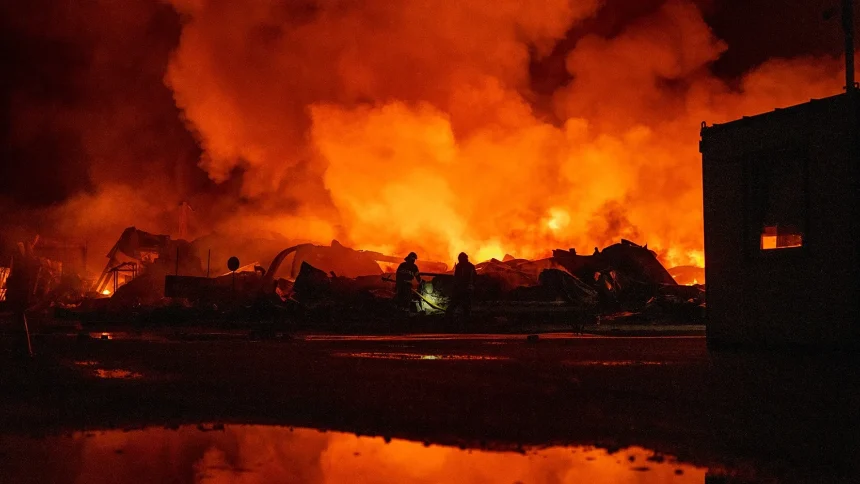
The aftermath of a recent overnight attack on Ukrainian territory has brought into sharp focus the critical challenges facing the nation’s air defense capabilities. According to official reports released on Wednesday, Ukrainian forces were unable to intercept any of the 28 high-speed missiles, including ballistic types, launched by the Russian military. This strike, which also involved 115 drones, resulted in significant casualties and widespread destruction, primarily targeting civilian infrastructure and commercial enterprises within Kyiv and its surrounding regions.
President Volodymyr Zelenskyy addressed the impact of the assault, confirming via social media that the primary targets were “warehouses of civilian enterprises” and other vital infrastructure, including a railway station. He emphasized the devastating consequences of delays in the delivery of anti-ballistic munitions from international partners, stating that such interceptors “could have saved the lives of those who died today.” This sentiment underscores a growing concern within Ukrainian leadership regarding the availability of advanced defensive systems necessary to counter sophisticated missile threats.
One of the most tragic incidents occurred near the Kvitneva railway station in the Brovary district, where eight individuals lost their lives. Vitaliy Bigun, head of the Brovary District State Administration, reported that these casualties were people waiting on the platform for a delayed train, unable to seek shelter before the impact. This particular event highlights the vulnerability of civilian populations caught in areas subjected to these types of attacks.
Ukrainian Prime Minister Sergii Koretskyi openly characterized the strikes as acts of terrorism, asserting that Moscow deliberately aimed at non-military locations. He stated, “These strikes have no military purpose – this is terrorism,” further elaborating that Russia is “expanding its campaign of terror by deliberately targeting businesses that serve millions of people.” The attacks specifically targeted Ukrainian manufacturers, commercial facilities, and logistics hubs, indicating a strategic effort to disrupt the country’s economic backbone.
Among the businesses severely impacted were Epicentre, a leading DIY retailer, ROZETKA, Ukraine’s largest online retailer, and Nova Poshta, the nation’s largest private postal and courier service. These companies, crucial to the daily lives and economy of millions, sustained significant damage to their key facilities. Nova Poshta, for instance, reported that cluster munitions were used in the strike on its sorting center in Kyiv, a detail that further underscores the destructive nature of the assault. The supermarket chain Silpo also confirmed the deaths of six employees following fires at two of its distribution centers. In a separate incident on Tuesday, a warehouse storing products for the Ukrainian ice cream manufacturer Lasunka was also destroyed by Russian forces.
In response to these targeted assaults on the civilian economy, Prime Minister Koretskyi announced that the government plans to convene a meeting with the affected Ukrainian businesses. This initiative aims to address the immediate aftermath of the destruction and explore strategies for recovery and resilience in the face of ongoing attacks. The repeated targeting of non-military sites continues to raise questions about the nature of the conflict and its escalating impact on the civilian population and economy.