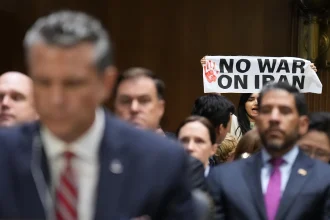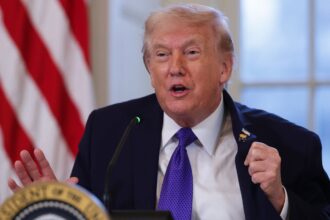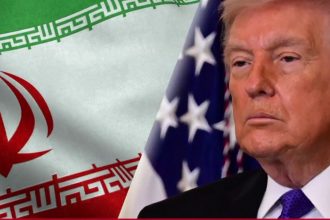
President Donald Trump recently articulated his perspective on the deployment of United States ground troops to Iran, stating that any such action would necessitate a “good reason.” This position comes amid ongoing discussions regarding American foreign policy in the Middle East and the complex geopolitical landscape of the region. His remarks underscore a cautious approach to military intervention, particularly concerning direct ground engagements in a country with a significant and often volatile history with the United States.
The statement from the former commander-in-chief adds another layer to the protracted debate surrounding potential military options in dealing with Iran’s nuclear program and its regional activities. While not explicitly ruling out the use of force, Trump’s emphasis on a “good reason” suggests a higher threshold for committing ground forces, a move that often carries substantial political, economic, and human costs. This particular phrasing invites interpretation, as what constitutes a “good reason” can be subject to varying definitions depending on the administration and prevailing international circumstances.
Throughout his presidency, Trump pursued a strategy of “maximum pressure” against Iran, which involved re-imposing sanctions after withdrawing from the Joint Comprehensive Plan of Action (JCPOA), commonly known as the Iran nuclear deal. This approach aimed to compel Iran to negotiate a new, more comprehensive agreement addressing its nuclear ambitions and ballistic missile program. While confrontational, this strategy largely avoided direct military conflict, though tensions frequently escalated, particularly after incidents such as the downing of a U.S. drone and attacks on Saudi oil facilities.
The prospect of deploying ground troops in Iran evokes memories of past conflicts in the Middle East, particularly the protracted engagements in Iraq and Afghanistan. These experiences have shaped public and political discourse regarding the efficacy and consequences of large-scale military interventions. The economic burden, the human toll, and the challenge of achieving clear strategic objectives in complex regional conflicts are all factors that typically weigh heavily on policymakers considering such steps.
Analysts suggest that Trump’s remarks could be interpreted in several ways. On one hand, it might signal a reluctance to commit American lives and resources to another potentially open-ended conflict, aligning with a broader “America First” foreign policy stance that prioritized domestic concerns and sought to reduce foreign entanglements. On the other, it could also be seen as maintaining strategic ambiguity, leaving open the possibility of military action under specific, yet undefined, circumstances, thereby keeping adversaries guessing about potential responses.
Any hypothetical deployment of ground troops to Iran would undoubtedly ignite a fierce debate within the United States Congress and among international allies. The logistical challenges alone would be immense, given Iran’s size, terrain, and military capabilities. Furthermore, such an action would carry significant implications for regional stability, potentially drawing in other actors and exacerbating existing tensions. The international community, still grappling with the fallout from previous interventions, would likely scrutinize any such decision with intense caution.
Ultimately, the former president’s comments serve as a reminder of the gravity inherent in decisions concerning military force, particularly when considering direct ground engagements in a strategically vital and historically complex region. The emphasis on a “good reason” frames the discussion around future policy options, suggesting that any move toward such a deployment would require a clear, compelling, and publicly justifiable rationale.