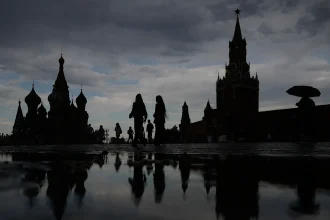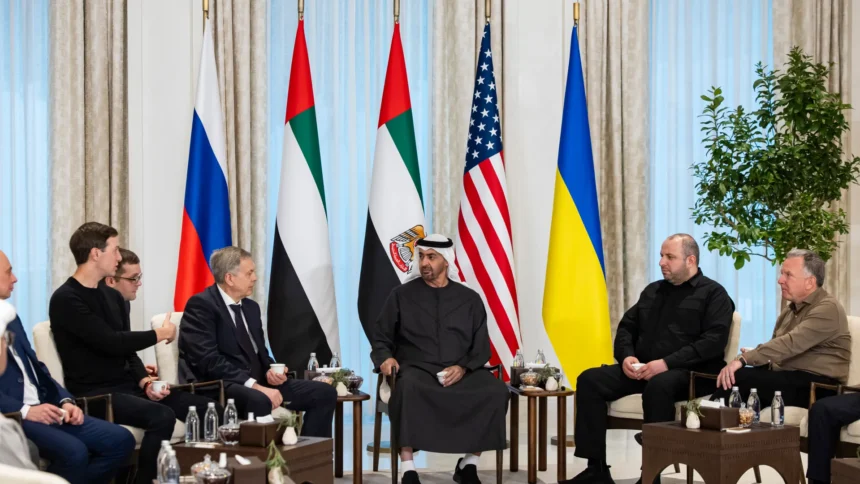
The reverberations of conflict continue to echo across Europe, even as diplomatic efforts persist in distant locales. Recent reports indicate that Kyiv, the Ukrainian capital, has once again been targeted by Russian forces. This development unfolds concurrently with peace talks underway in Abu Dhabi, a juxtaposition that underscores the complex and often contradictory nature of current international relations. The strikes on Kyiv serve as a stark reminder of the ongoing hostilities, even as negotiators attempt to chart a path toward de-escalation and resolution elsewhere.
While details regarding the extent of the damage and potential casualties in Kyiv are still emerging, the timing of these actions is particularly noteworthy. Such events frequently cast a long shadow over diplomatic overtures, raising questions about commitment to dialogue and the immediate prospects for a ceasefire. International observers are closely watching how these military actions might influence the delicate negotiations taking place on the Arabian Peninsula, where representatives are reportedly engaged in discussions aimed at finding common ground amidst deep-seated disagreements.
The broader European landscape remains volatile, with various actors attempting to navigate a path between support for Ukraine and the urgent need for regional stability. The European Union, a significant political and economic bloc, continues to play a central role in these unfolding events. Its member states are grappling with the multifaceted implications of the conflict, from energy security to humanitarian crises, all while maintaining a united front against aggression. This intricate balance requires constant reassessment and adaptation, as each new development on the ground or at the negotiating table shifts the calculus.
Understanding these intricate dynamics requires a continuous flow of accurate information and insightful analysis. For those seeking to stay abreast of the daily developments, various platforms are striving to provide comprehensive coverage. For instance, Euronews offers a daily program designed to deliver key events and critical analysis concerning the stories shaping Europe and beyond. This format, fronted by chief anchor Méabh Mc Mahon and EU editor Maria Tadeo, aims to offer depth and context to the headlines, ensuring that audiences receive more than just surface-level reports.
The availability of such in-depth coverage across multiple formats, including live television, digital platforms, newsletters, and podcasts, highlights the public’s demand for accessible and varied news consumption. In an environment where information can be overwhelming, curated content that distills the essential facts and provides expert perspectives becomes invaluable. This approach helps to connect disparate events, such as missile strikes in a European capital and peace talks thousands of miles away, into a coherent narrative for a global audience.
The persistent nature of the conflict, coupled with ongoing diplomatic efforts, illustrates a deeply entrenched geopolitical challenge. The world watches, hoping that the discussions in Abu Dhabi can eventually yield tangible results, even as the realities on the ground in places like Kyiv continue to paint a grim picture. The interplay between military action and diplomatic maneuvering defines this period, making informed analysis more crucial than ever for understanding the trajectory of international affairs.