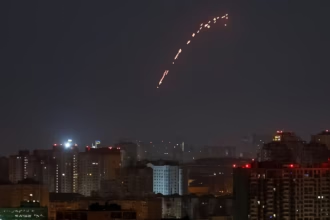
The frigid temperatures gripping Ukraine, plummeting to minus 20 degrees Celsius in some areas, cast a stark shadow over the upcoming trilateral peace talks in Abu Dhabi. This second round of negotiations, following an inconclusive initial meeting last month, arrives as Russia continues its targeted strikes on Ukrainian civilian energy infrastructure. Ignacy Niemczycki, Poland’s Secretary of State for European Affairs, voiced significant concerns regarding Moscow’s intentions, suggesting that these attacks are clear evidence of Russia’s desire to prolong the conflict rather than genuinely pursue a resolution.
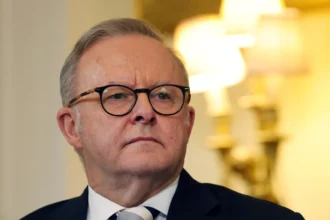
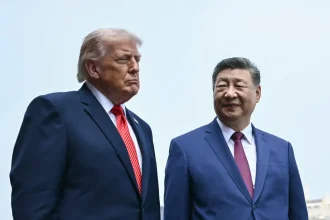
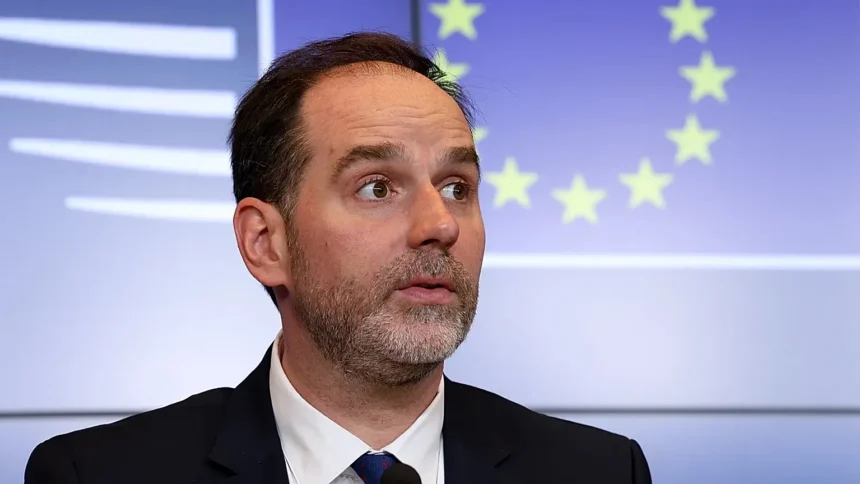
Niemczycki, speaking to Euronews’ flagship program *Europe Today*, highlighted the deliberate targeting of heat and electricity generation facilities as particularly alarming. He expressed a strong hope that the United States could exert influence on Russia, encouraging a more “creative” approach to the discussions. While acknowledging former President Trump’s optimistic assessment that the negotiations appeared “promising,” Niemczycki articulated an expectation for an agreement beneficial not only to Europe and the US but also to global peace, underscoring the high stakes involved.
The question of territorial concessions, a deeply contentious issue, remains central to any potential peace framework. Niemczycki firmly stated that such decisions should rest solely with the Ukrainian people. He emphasized that external parties should not dictate terms to Kyiv, asserting that the focus of international pressure ought to be directed squarely at Russia, rather than at Ukraine. This perspective underscores a broader sentiment among some European nations that Ukraine’s sovereignty and self-determination must be paramount in any peace process.
Beyond the immediate conflict, the timeline for Ukraine’s potential accession to the European Union also surfaced during the discussion. While a recently floated 2027 deadline has gained some traction, Niemczycki tempered expectations, calling such a rapid integration “very difficult.” He maintained his belief in Ukraine’s eventual membership in the 27-member bloc but pivoted away from fixating on a specific date, instead prioritizing “the fact of Ukraine joining the EU” as the ultimate objective. This pragmatic view suggests a recognition of the significant reforms and adjustments Ukraine would need to undertake, regardless of an ambitious timeline.
Meanwhile, recent diplomatic tensions with Iran also drew comment from the Polish Secretary of State. The Iranian regime’s move to designate the armies of European countries as terrorist groups, a direct response to the EU’s decision to list the Iranian Revolutionary Guard Corps as a terrorist organization last week, was largely dismissed by Niemczycki. He characterized Tehran’s action as lacking “any practical implications.” Instead, he viewed the EU’s initial designation as a critical “signal to the Iranian regime” that its severe crackdown on domestic protests was unacceptable, sending a clear message that “the government cannot attack its own people.” This reflects a unified European stance against human rights abuses, even as complexities in international relations continue to unfold on multiple fronts.