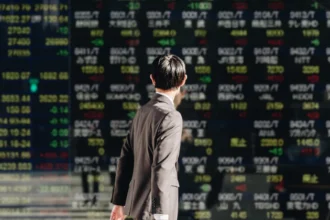
South Korea’s economy experienced an unexpected downturn in the final quarter of 2025, registering a 0.3% contraction compared to the preceding three months. This dip suggests a more challenging economic landscape than many analysts had anticipated, especially given the global efforts toward post-pandemic recovery. The figures, released recently, paint a picture of an economy grappling with specific internal pressures, even as broader international trade currents remain in flux.
A closer examination of the data points to particular sectors contributing significantly to this contraction. Both construction activity and facilities investment saw notable declines during the October-December period of 2025. This indicates a potential cooling in domestic development projects and a hesitance among businesses to commit to new capital expenditures. Such trends often reflect a cautious outlook on future demand and profitability, which can have ripple effects across various industries. The construction sector, a traditional engine of growth in many economies, feeling this pinch could signal deeper structural issues or simply a response to tightened credit conditions. Similarly, reduced facilities investment suggests that companies might be holding back on expanding production capacities or upgrading existing infrastructure, a common reaction to uncertainty.
The broader implications of this quarterly contraction for South Korea extend beyond mere statistics. As a major global exporter and a technological powerhouse, the health of its economy is often seen as a bellwether for certain segments of the international market. While one quarter’s data does not establish a long-term trend, it certainly warrants careful observation. Policymakers will undoubtedly be scrutinizing these numbers as they formulate strategies for the coming year, balancing the need for stimulus with concerns about inflation and fiscal stability.
The performance in late 2025 contrasts with earlier periods of robust growth that many had hoped would continue unabated. The resilience of South Korea’s economy has often been attributed to its dynamic export sector and innovative industries. However, even these strengths can be challenged by shifts in global demand or domestic headwinds. The extent to which this contraction is an isolated event or the harbinger of a more prolonged slowdown remains to be seen. Economic indicators from other key trading partners, particularly in Asia and North America, will also play a crucial role in shaping South Korea’s economic trajectory in the months ahead.
Moving forward, attention will likely turn to government spending and potential monetary policy adjustments. Central banks typically weigh such economic contractions against inflation targets and employment figures before making significant changes. The coming quarters will provide crucial clarity on whether the 0.3% decline was a temporary blip or if it signals a more fundamental shift in the nation’s economic momentum. Investors, businesses, and global trade partners will be watching closely for signs of recovery or further retrenchment.