Caracas has finalized an agreement that grants the United States control over approximately one-fifth of Venezuela’s substantial oil reserves, a move that solidifies Washington’s influence on the government it helped establish following the ousting of President Nicolás Maduro in January. This deal, announced Tuesday, has been framed by US officials as a strategic play to mitigate high oil prices for American consumers and to counteract the growing presence of Russian and Chinese interests in the region. The specifics of the arrangement, however, continue to raise questions among some Venezuelan lawmakers and international observers.
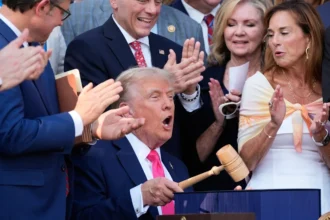
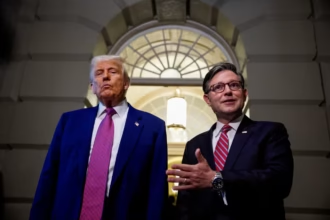
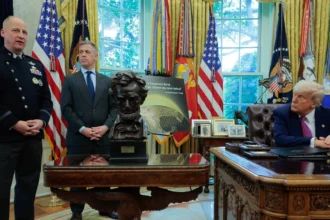
US Energy Secretary Chris Wright arrived in Venezuela late Tuesday, with the formal signing of the agreement anticipated Wednesday. Simultaneously, oil major Chevron is expected to disclose a significant expansion of its operations within the country. This development follows a White House meeting where former President Trump discussed the issue with oil executives, aiming to address rising petrol costs exacerbated by the ongoing conflict in Iran. Trump subsequently posted on Truth Social, declaring the administration’s intent to unleash “American Energy Dominance,” signaling the broader strategic implications of the Venezuelan accord.
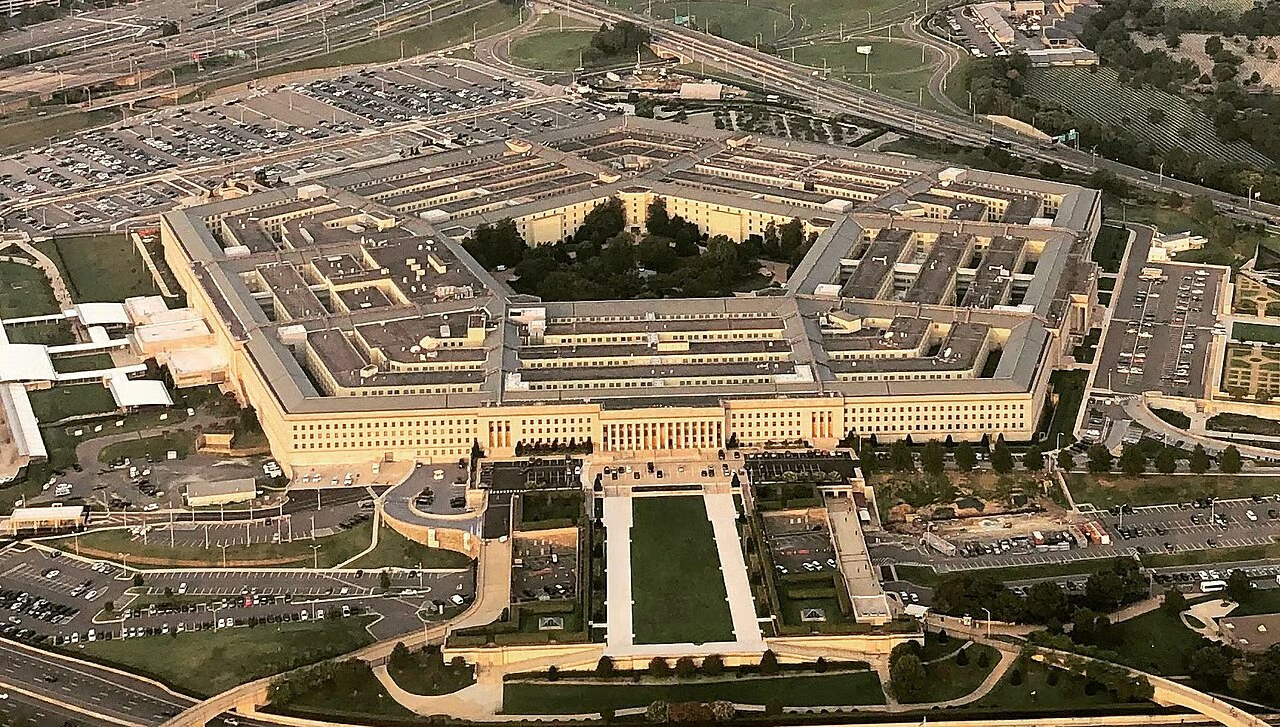
Secretary of State Marco Rubio, in a Spanish-language interview, indicated that a private entity is collaborating with the United States to “normalize the Venezuelan economy.” He elaborated that the agreement involves the US government, specifically the Defense Department, which will utilize a special account to take possession of a percentage of these assets. Rubio stated that this private company, with US backing, will aim to boost production and attract the necessary private investment to develop the productive capacity of these fields. He also highlighted that a significant majority of the 17 oil fields covered by the deal were previously under Chinese and Russian control.
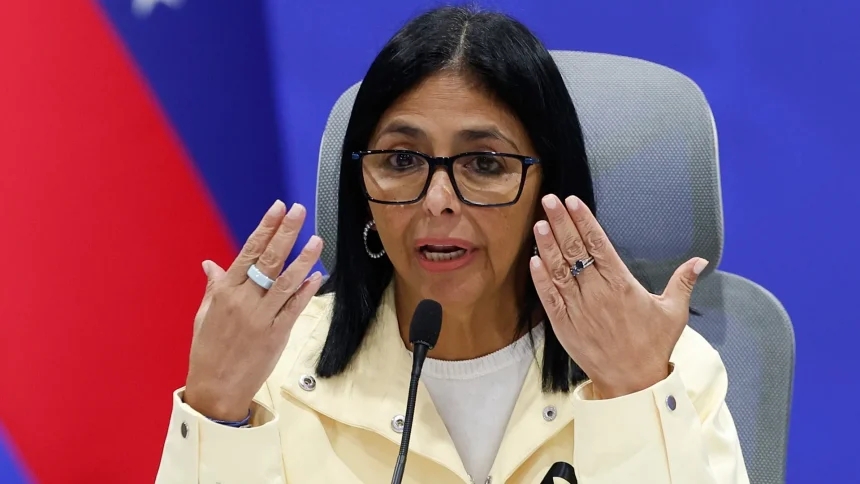
The National Assembly in Caracas approved the deal through a show-of-hands vote, though some opposition lawmakers abstained, citing a lack of access to the written terms of the agreement. Luis Emilio Rondón, an opposition lawmaker, emphasized the necessity of scrutinizing the “fine print.” Conversely, National Assembly Chief Jorge Rodríguez defended the deal, asserting that the revenue generated would directly benefit Venezuelans. “Who benefits from this oil if it stays underground?” Rodríguez questioned, underscoring the perceived economic imperative. Venezuela’s Defence Minister, Gustavo González López, lent the military’s full support, characterizing the agreement as a path to “prosperity and well-being,” and framing it as a choice for peace over political division.
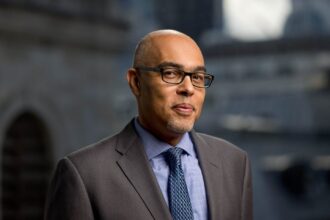
A particularly contentious element of the agreement is the involvement of Alejandro Betancourt, a Venezuelan businessman with previous links to alleged corruption schemes within Venezuela’s state-run PDVSA oil company during the late Hugo Chávez’s administration. Betancourt heads North American Blue Energy Partners (NABEP), which ranks as Venezuela’s second-largest private oil firm. Under the new terms, the US government will acquire a 35% stake in NABEP. Despite Betancourt’s past, a US official described him as a “proven operator,” acknowledging that geopolitical realities sometimes necessitate engagement with “imperfect” figures. The official noted Betancourt’s prior assistance to the United States government.
The deal stipulates that NABEP will grant Washington the right to purchase 20% of the oil it pumps at production cost. Furthermore, US citizens will be required to constitute a majority on NABEP’s board of directors, effectively giving Washington control, along with veto power over board members. The US official asserted that this level of oversight would curb corruption within Venezuela’s beleaguered oil industry and prevent Caracas from diverting supplies to allies like Cuba, which the official claimed had previously been treated as a “personal piggy bank” by the Maduro government. Securing cheaper oil is a stated priority for the Trump administration, especially in the run-up to crucial US midterm elections scheduled for November, where the Republican Party faces the prospect of losing control of Congress.