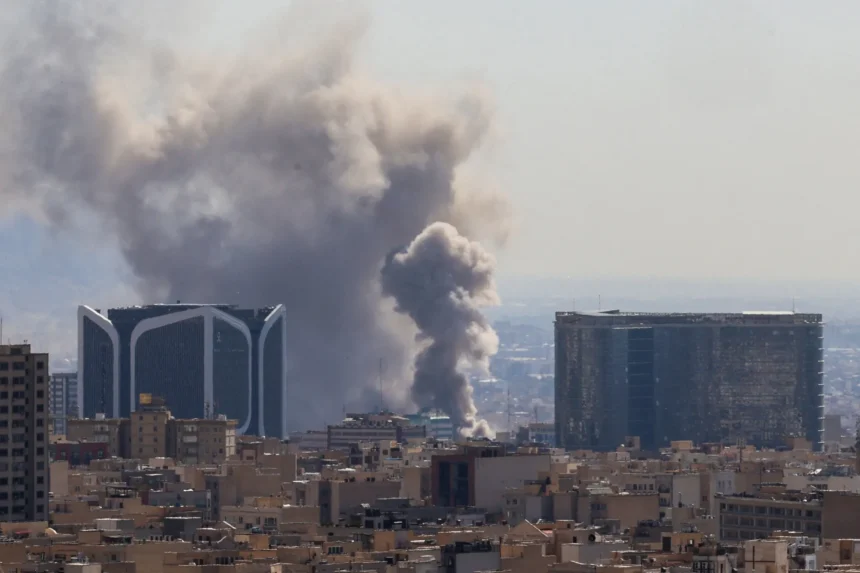
The initial military responses by the United States against targets in Iran have incurred an estimated cost of $4 billion, according to recent assessments. This figure encompasses a broad range of expenditures, from the deployment of advanced aircraft and naval assets to the munitions expended in the operations. The financial outlay highlights the significant resources required for even limited military engagements in a region known for its complex geopolitical landscape.
Analysts suggest that a substantial portion of this cost is attributed to the logistical requirements of projecting power over long distances. Transporting personnel, equipment, and supplies across continents demands a robust infrastructure and considerable fuel consumption. Furthermore, the sophisticated weaponry employed, such as precision-guided missiles and unmanned aerial vehicles, represents a high-value asset both in terms of acquisition and operational maintenance. Each missile fired, for instance, can carry a price tag ranging from hundreds of thousands to several million dollars, depending on its type and capabilities.
Beyond the immediate expenses of hardware and logistics, the cost estimates also factor in the heightened operational tempo and increased readiness levels across various branches of the U.S. military. This includes additional surveillance flights, intelligence gathering operations, and cybersecurity measures, all of which contribute to the overall financial burden. The need to maintain a strong defensive posture and protect deployed forces further adds to these expenditures, encompassing everything from advanced air defense systems to enhanced force protection protocols.
The long-term implications of such military spending extend beyond the immediate conflict. These operations can impact future defense budgets, potentially diverting funds from other strategic priorities or domestic programs. The sustained deployment of forces also carries human costs, including the strain on service members and their families, though these are not quantifiable in direct monetary terms. The economic impact on the region, and potentially on global markets, particularly concerning oil prices, is another layer of consequence that often accompanies military actions in the Middle East.
While the precise breakdown of the $4 billion figure is not publicly detailed, defense experts often look at historical precedents for similar operations to extrapolate these estimated costs. Factors such as the duration of the engagement, the intensity of the operations, and the specific units involved all play a critical role in shaping the final financial assessment. The Pentagon, in its budgetary reporting, typically provides aggregated figures, making detailed, real-time cost analysis challenging for external observers. The expenditure reflects not only the immediate objectives of the strikes but also the broader strategic posture the United States maintains in a volatile global environment.