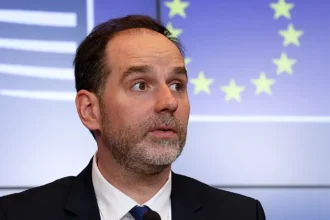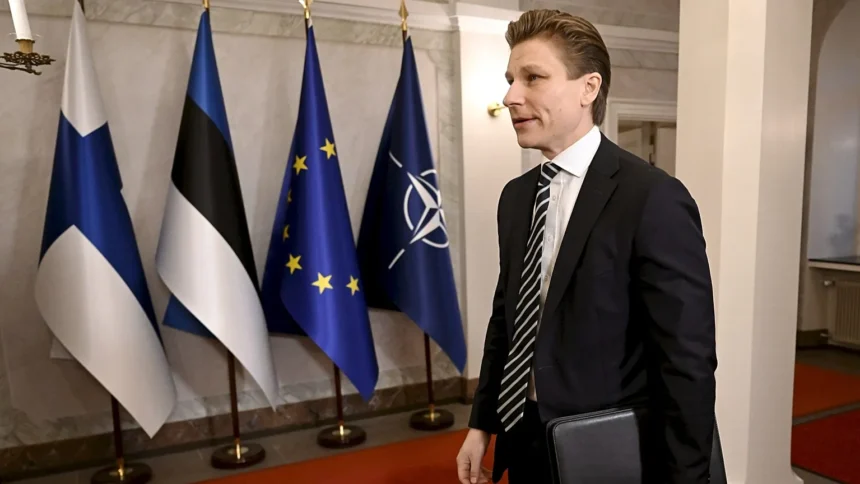
The strategic significance of the Arctic region has once again come into sharp focus, with Finland’s Defense Minister Antti Häkkänen highlighting Russia’s intensified military buildup along its northern flank. This development, characterized by Häkkänen as reminiscent of Cold War-era activities, underscores the enduring geopolitical competition in the High North, particularly in the wake of Finland’s historic entry into NATO. The minister’s observations, shared during the Munich Security Conference, suggest a renewed emphasis on Arctic capabilities for deterrence.
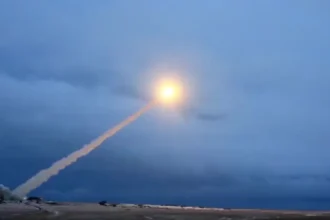
A key area of concern remains the Kola Peninsula, a vast Russian territory spanning approximately 100,000 square kilometers. This region serves as a critical hub for Russia’s strategic assets, housing a significant portion of its sea-based nuclear arsenal, including submarines, alongside long-range aviation capabilities. Häkkänen pointed out that new military facilities are actively under construction along the Finnish border, indicating a deliberate and sustained effort by Moscow to reinforce its presence in the Arctic. He stressed that NATO’s renewed defense planning in the High North, exemplified by initiatives like the enhanced vigilance activity Arctic Sentry, is a welcome, albeit belated, step.
Finland, having recently become a NATO member following Russia’s invasion of Ukraine, possesses substantial Arctic expertise. The nation’s armed forces are described as “fully Arctic,” a claim supported by their long history of operating in extreme northern conditions. This specialized knowledge, Häkkänen indicated, stands ready to be shared with allied nations seeking to bolster their own capabilities in the region. Such collaboration becomes increasingly pertinent as the broader European defense landscape undergoes significant re-evaluation.
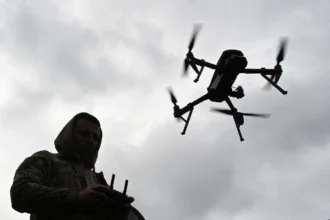
The financial commitment to modernizing defense capabilities is also evident. Finland, alongside 18 other EU member states, has sought funding from the bloc’s €150 billion defense loan scheme. Helsinki’s request for €1 billion received Commission approval last month, with final ministerial endorsement anticipated shortly. A substantial portion of these funds is earmarked for strengthening Finland’s land forces, focusing on acquisitions such as armored vehicles and drones. This investment aligns with a broader reform initiated last year to overhaul Finland’s land defense by 2035, prioritizing enhanced strike capability, infrastructure upgrades, the development of unmanned systems, and improved self-sufficiency in materials under emergency conditions.
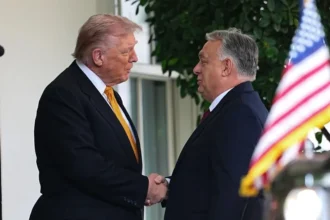
Beyond immediate military considerations, Häkkänen also addressed the ongoing discourse surrounding the United States’ commitment to European security. He acknowledged recent tensions, particularly remarks made by former US President Donald Trump regarding Greenland, a semi-autonomous territory of NATO ally Denmark. While these comments sparked concern and prompted trilateral discussions between the US, Greenland, and Denmark, Häkkänen maintained confidence in the US’s “ironclad commitment” to NATO’s core Article 5 collective defense guarantee. He argued that, in the short and medium term, US support remains crucial for Europe’s deterrence and overall security.
The Finnish minister further elaborated on the nuclear umbrella provided by the United States, suggesting that while offers from France and the UK to extend their nuclear deterrent to other European nations are positive developments, they should not be viewed as a substitute for the US’s overarching nuclear guarantee. The implication is clear: while European nations are increasingly taking responsibility for their own defense, the foundational elements of collective security, particularly those involving strategic deterrents, continue to rely significantly on established alliances and commitments. The ongoing developments in the Arctic, therefore, serve as a tangible reminder of the complex and evolving security dynamics facing Europe.