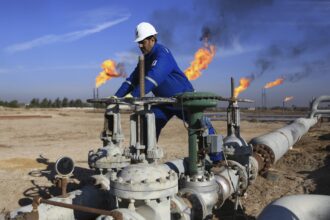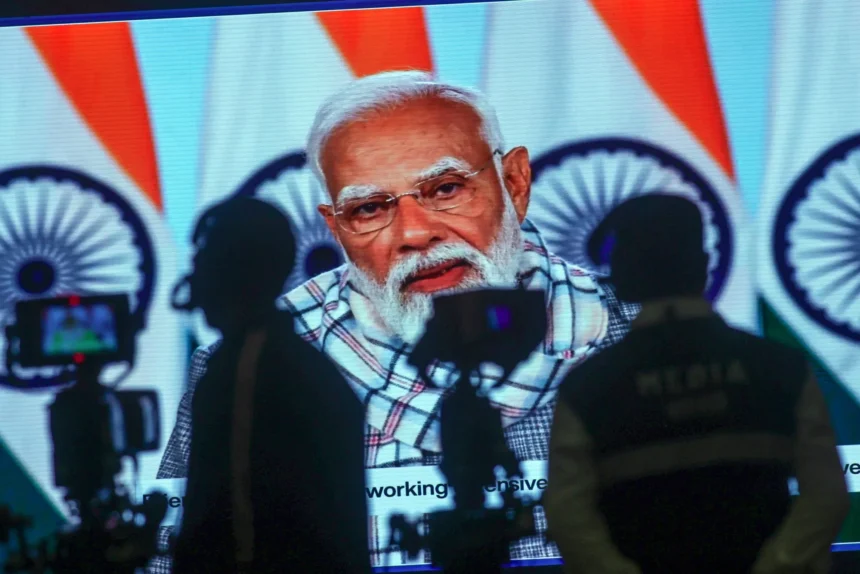
India has embarked on an ambitious program to significantly expand its domestic oil and gas production, with Prime Minister Narendra Modi’s administration outlining plans for a $100 billion investment aimed at reducing the nation’s heavy dependence on energy imports. This strategic pivot comes as global energy markets remain volatile, and India, currently the world’s third-largest oil consumer, seeks to bolster its energy security through increased self-sufficiency. The initiative focuses on unlocking new reserves across existing fields and exploring previously untapped regions, both onshore and offshore, promising a substantial overhaul of the country’s energy landscape over the next several years.
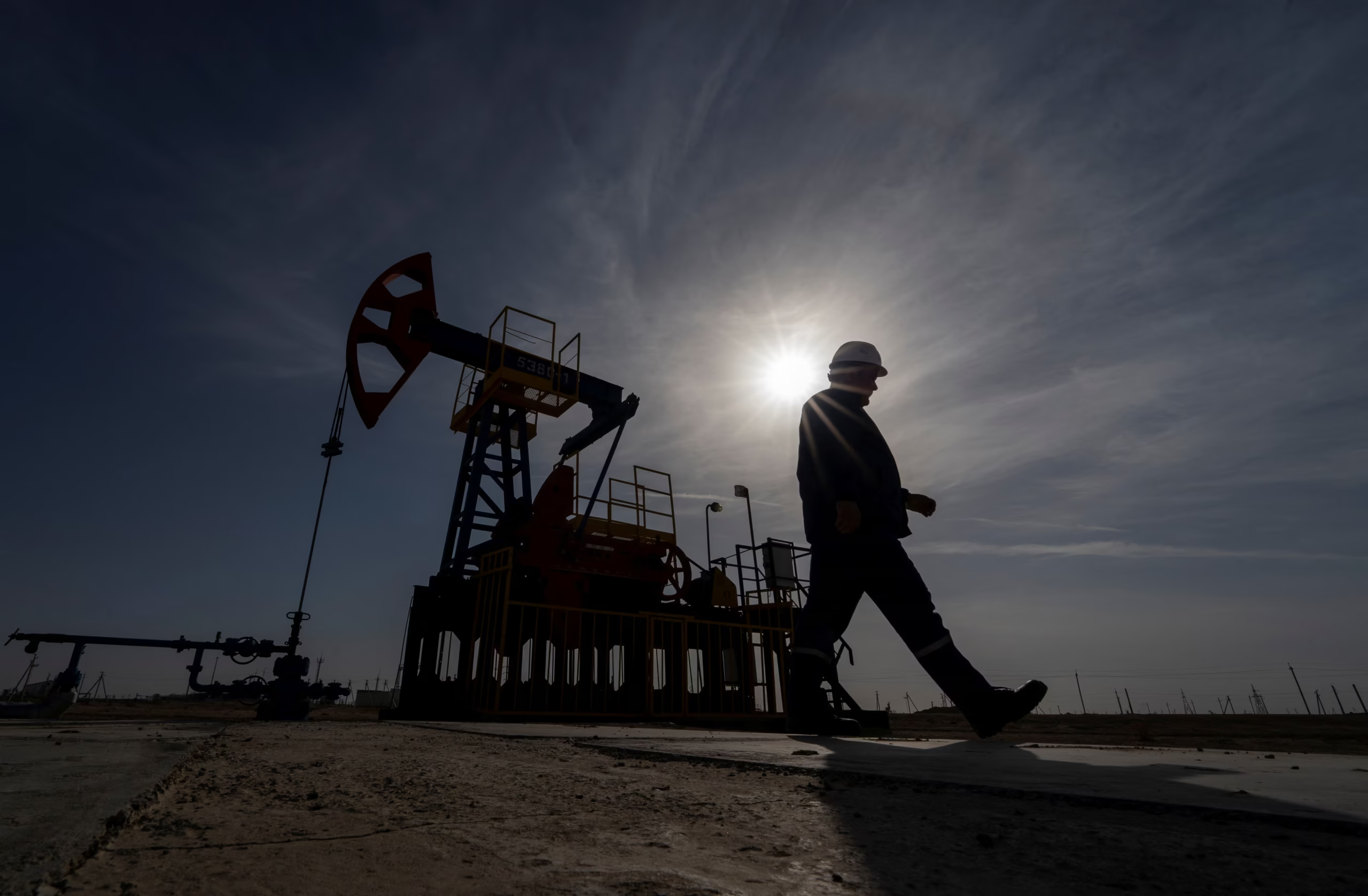
The core of this multi-year strategy involves intensifying exploration and production activities, with state-owned enterprises like Oil and Natural Gas Corporation (ONGC) and Oil India Limited (OIL) expected to play pivotal roles. These companies are being tasked with accelerating drilling operations, deploying advanced technologies for enhanced oil recovery, and actively seeking international partnerships to bring in expertise and capital. The government’s vision extends beyond mere extraction, encompassing the entire value chain from exploration to refining capacity expansion, all geared towards creating a more resilient energy infrastructure within the country.
A significant portion of the planned investment is earmarked for deepwater and ultra-deepwater exploration, areas that have historically presented greater technical challenges and higher costs but also hold the promise of substantial new discoveries. The Krishna Godavari (KG) basin off India’s eastern coast, for instance, has been identified as a key focus area, with several blocks already allocated for intensified drilling. Officials anticipate that successful exploration in these frontier areas could dramatically alter India’s domestic production profile, potentially adding millions of barrels of oil equivalent to its annual output.
Beyond the technical aspects, the economic implications of such a massive undertaking are considerable. Reduced reliance on imported crude oil would not only save billions in foreign exchange but also insulate the Indian economy from the vagaries of international oil price fluctuations. This stability is particularly crucial for a developing nation like India, where energy costs directly impact inflation and the broader economic growth trajectory. The push for domestic production is also expected to stimulate job creation across various sectors, from engineering and geology to logistics and manufacturing, providing a significant boost to the national economy.
However, the path to energy independence is fraught with challenges. Environmental concerns, particularly regarding offshore drilling and the potential impact on marine ecosystems, remain a critical consideration. The government and participating companies will need to navigate stringent regulatory frameworks and ensure sustainable practices are at the forefront of their operations. Furthermore, the global transition towards cleaner energy sources presents a long-term strategic dilemma, requiring a delicate balance between maximizing fossil fuel production in the short to medium term and investing in renewable energy for the future. Modi’s administration appears to be betting that a more secure conventional energy supply will provide the necessary buffer to manage this complex transition effectively.