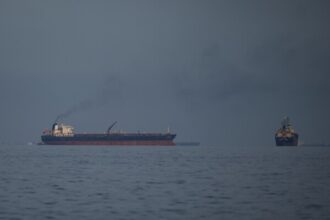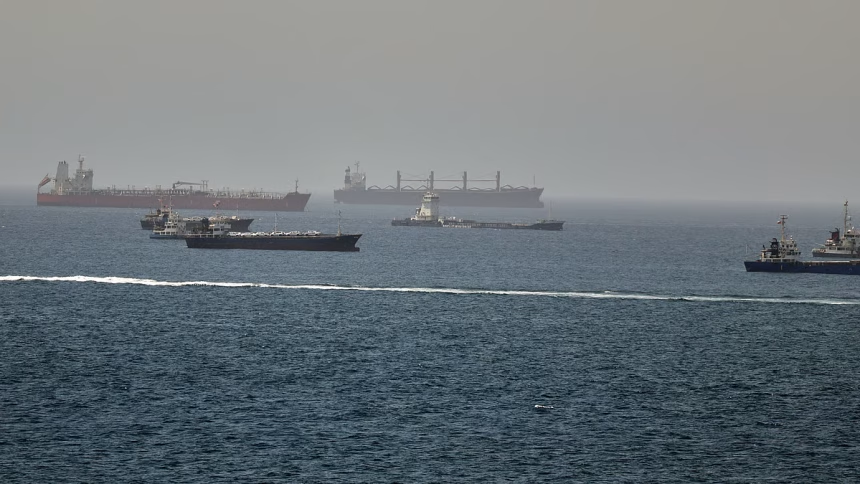
The prospect of fully reopening the Strait of Hormuz to unrestricted shipping traffic, while economically appealing to many, is encountering substantial financial and logistical resistance. Estimates from various international maritime organizations suggest that the cumulative cost of security enhancements, insurance premium adjustments, and potential infrastructure upgrades could run into the tens of billions of dollars. This figure does not even account for the opportunity costs associated with continued disruptions or the long-term impact on global supply chains that have already begun to reroute away from the critical chokepoint.
One significant hurdle lies in the vastly inflated insurance premiums for vessels traversing the strait. Following a series of incidents in recent years, underwriters have applied steep surcharges, effectively pricing out smaller operators and significantly increasing overheads for even the largest shipping conglomerates. Industry analysts indicate that these premiums alone have added hundreds of millions annually to transportation costs for oil and gas, a burden ultimately passed on to consumers. Reversing this trend would require not only a sustained period of absolute calm but also concrete, verifiable commitments from regional powers regarding the safety of passage, something that remains elusive amidst ongoing geopolitical tensions.
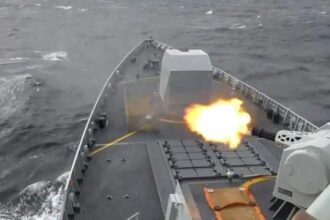
Beyond insurance, the physical security apparatus required to reassure shipping companies and their crews is another monumental undertaking. Proposals have ranged from enhanced naval escorts, potentially involving multinational forces, to sophisticated real-time surveillance systems spanning the entire 21-mile-wide strait at its narrowest point. Each option carries an astronomical price tag, demanding significant investment in advanced naval assets, drone technology, and intelligence gathering. The question of who would bear these costs – individual nations, international consortiums, or the shipping industry itself – is a point of contention that has yet to be resolved.
Furthermore, some voices within the maritime sector argue that the perceived instability has already prompted a strategic shift in global logistics, particularly for energy supplies. Major importers and exporters are exploring and investing in alternative routes, such as pipelines bypassing the strait or diversified shipping lanes, to mitigate future risks. While these alternatives are often more expensive or time-consuming in the short term, they offer a degree of predictability that the Strait of Hormuz currently lacks. The financial outlays for these alternative infrastructure projects are already substantial, creating a sunk cost that makes a full, unreserved return to Hormuz less financially imperative for some key players.
The diplomatic heavy lifting required to establish a universally accepted framework for the strait’s security also carries an indirect financial burden. Prolonged negotiations, involving numerous stakeholders with divergent interests, consume considerable resources. Each meeting, each proposal, each attempted agreement necessitates expert consultation, travel, and the allocation of high-level diplomatic personnel. Until a consensus emerges on governance and enforcement mechanisms, the financial uncertainty surrounding the strait’s long-term viability as the primary global energy conduit will persist, making large-scale investment in its security infrastructure a difficult proposition.