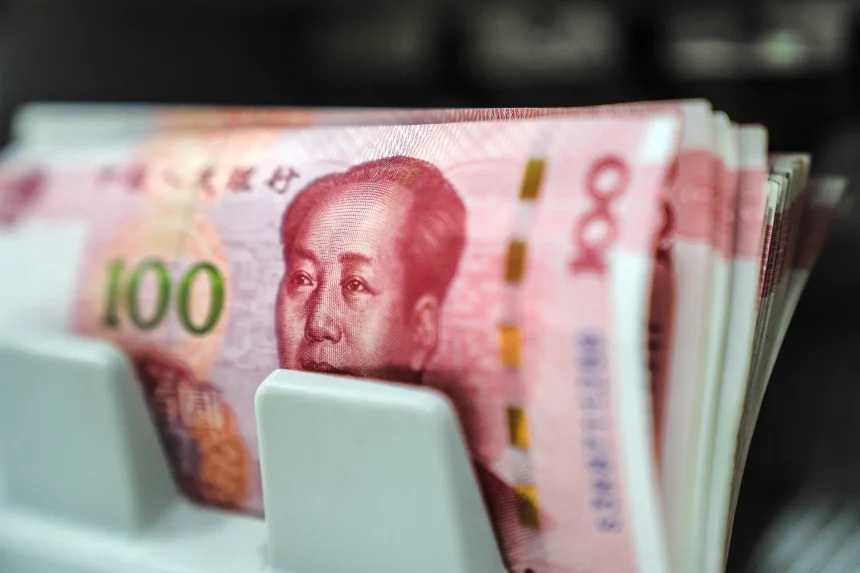
The landscape of international trade payments is undergoing a significant transformation, particularly for nations navigating the complexities of global sanctions. In recent times, the Chinese yuan has emerged as a critical currency for transactions involving countries like Iran and Russia, illustrating a broader shift away from traditional dollar-denominated exchanges. This pivot is not merely a preference but a strategic necessity, as these nations seek to maintain economic stability and facilitate commerce in the face of restrictive measures.
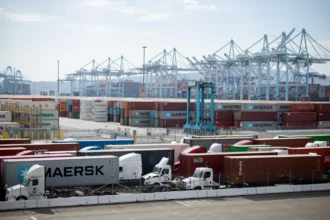
For both Moscow and Tehran, the increasing adoption of the yuan serves as a practical solution to sustain trade flows. The currency facilitates the purchase of essential commodities, including crude oil, and a wide array of other goods and services, circumventing the financial architectures that have long been dominated by Western currencies. This development underscores the growing influence of China’s economic power and its currency on the world stage, offering an alternative for countries seeking to de-risk their financial operations from potential disruptions.
The momentum behind this shift is substantial. Reports indicate a significant surge in the use of the yuan for these cross-border payments. This isn’t just about isolated transactions; it represents a more systemic change in how these economies interact with the global market. For Iran, especially, which has faced multiple layers of international sanctions for years, access to a reliable, widely accepted currency for trade is paramount. The yuan offers that reliability, backed by one of the world’s largest economies.
Similarly, Russia’s increased reliance on the yuan reflects its response to recent geopolitical events and subsequent economic penalties. By settling trades in yuan, Russia can continue to export its resources and import necessary goods, thereby mitigating some of the adverse effects of being cut off from major Western financial systems. This move also aligns with a broader push by Beijing to internationalize its currency and reduce its own dependency on the dollar.
This evolving dynamic carries implications far beyond the immediate financial transactions. It suggests a fracturing of the unipolar global financial system that has been in place for decades. While the dollar remains the dominant reserve and trade currency globally, the strategic choices made by countries under sanction could pave the way for a more multipolar currency environment. This shift is gradual, but its cumulative effect could redefine global economic power balances over time.
The long-term consequences of this trend are still unfolding. While the yuan offers a viable alternative for specific trading relationships, it faces challenges in achieving widespread adoption as a true global reserve currency, given China’s capital controls and the comparatively lower liquidity of its financial markets. Nevertheless, for countries like Iran and Russia, the yuan has become an indispensable tool, enabling them to navigate a complex international financial landscape and continue their engagement in global commerce. This pragmatic embrace of an alternative currency highlights the constant adaptation required in a world increasingly shaped by economic statecraft and geopolitical realignments.