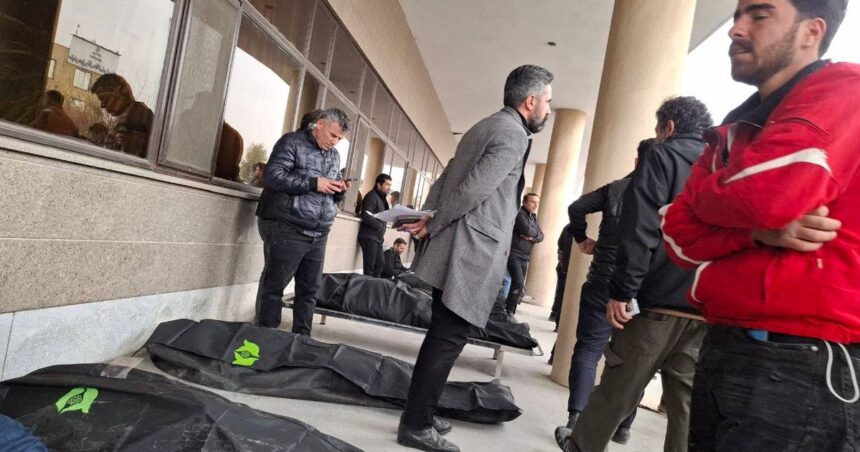
The actual human cost of the recent protests in Iran remains obscured by a near-total internet shutdown, now in its fourth week, yet emerging figures from independent sources and medical professionals suggest a far higher casualty count than officially acknowledged. While Iranian state media reported approximately 3,100 deaths, including security forces and civilians, some medical and human rights organizations indicate the number could be ten times that figure, potentially surpassing 30,000. This disparity highlights the significant challenges in verifying information from inside the country.
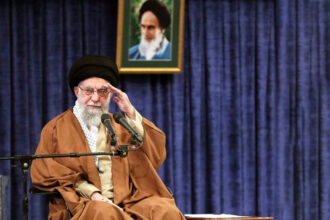
Senior Iranian health ministry officials, cited by Time magazine, indicated that at least 30,000 individuals perished in street clashes across various Iranian cities. The Guardian corroborated a similar figure in January, also reporting a substantial number of disappearances. Meanwhile, the US-based Human Rights Activists News Agency (HRANA) released a verified report detailing 6,126 fatalities, a figure compiled through its network of activists within Iran. This total included 5,777 protesters, 214 government-affiliated forces, 86 children, and 49 other civilians. Even Ayatollah Ali Khamenei acknowledged in late December that “several thousand people” had been killed, though he attributed these deaths to what he described as “domestic and international criminals,” repeatedly labeling protesters as “rioters and terrorists” linked to American and Israeli governments.
Dr. Hashim Moazenzadeh, a surgeon based in France who maintains connections with medical and hospital sources inside Iran, provided a starker assessment to *Euronews Farsi*. He stated that at least 22,000 deaths have been recorded in forensic facilities, based on information from various hospital sources. Dr. Moazenzadeh also described evidence suggesting security forces targeted fleeing individuals, with images reportedly showing bullet entry and exit wounds through the backs of victims’ heads. He specifically noted that more than 900 bodies were transported to Behesht-e Zahra cemetery in Tehran within 36 hours following particularly intense days of repression in mid-January.
The UN Special Rapporteur on Human Rights for Iran, Mai Sato, echoed these concerns in an interview with *Le Monde*. She stated that while official Iranian government figures hovered “a little over 3,000,” reports she had received suggested the true number might reach tens of thousands. Sato emphasized that the widespread internet outages and the lack of independent access severely impede any accurate assessment of casualties. Amnesty International and Human Rights Watch have also documented instances of security forces killing at least 28 protesters and bystanders, including children, across 13 cities in eight provinces over a few days in late December and early January. These organizations reported that Iranian security forces, including the Revolutionary Guard, deployed rifles, shotguns loaded with metal pellets, water cannons, tear gas, and beatings against what were largely peaceful demonstrations.
Further evidence of the scale of the crisis emerged from video analysis by Amnesty International in mid-January, which showed at least 205 body bags at a makeshift morgue in Kahrizak near Tehran, reportedly established to handle overflow from the official morgue. A medical worker from Mashhad informed Amnesty International that 150 bodies of young protesters were brought to a single hospital on one night in early January and subsequently taken to Behesht Reza Cemetery. This source indicated that authorities expedited burials before identification and then notified families later. Reports from Sato also suggested that some families faced demands for payments ranging between $5,000 and $7,000 to retrieve the bodies of deceased relatives, with some even being pressured to accept official narratives aligning the deceased with government Basij forces rather than as protesters, before bodies were released.
The nature of the injuries also points to an escalation in tactics. Published images show victims with medical equipment still attached, including IV tubes and bandages, alongside visible gunshot wounds, raising the possibility that some injured individuals receiving hospital treatment were subsequently killed. Most casualties have resulted from gunshots or shotgun fire, a shift from previous crackdowns where baton use was more prevalent. Medical sources indicate many victims were shot from behind while attempting to flee. Dr. Qassim Fakhraei, head of Tehran’s Farabi Eye Hospital, reported that 1,000 people sought treatment for eye injuries in December alone, suggesting hundreds may have suffered trauma from shotgun pellets aimed at faces. Dr. Moazenzadeh also highlighted that several doctors and medical staff have been detained in Tehran and other cities for treating injured protesters and refusing to cooperate with security officers, underscoring the risks faced by medical personnel who are often the few reliable witnesses to these events.