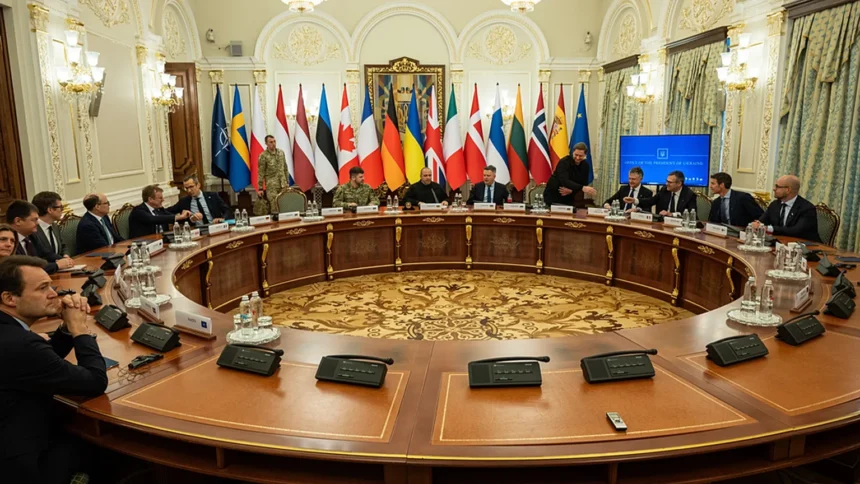
Kyiv recently hosted a high-level gathering of European national security advisers, accompanied by representatives from Canada and NATO, to delve into the specifics of a US-led 20-point peace plan aimed at resolving the protracted conflict in Ukraine. The discussions, which took place on a Saturday, mark a continued diplomatic effort to chart a path forward for the nearly four-year-old war. Rustem Umerov, Ukraine’s chief negotiator, confirmed the broad participation, highlighting the international commitment to these ongoing talks.
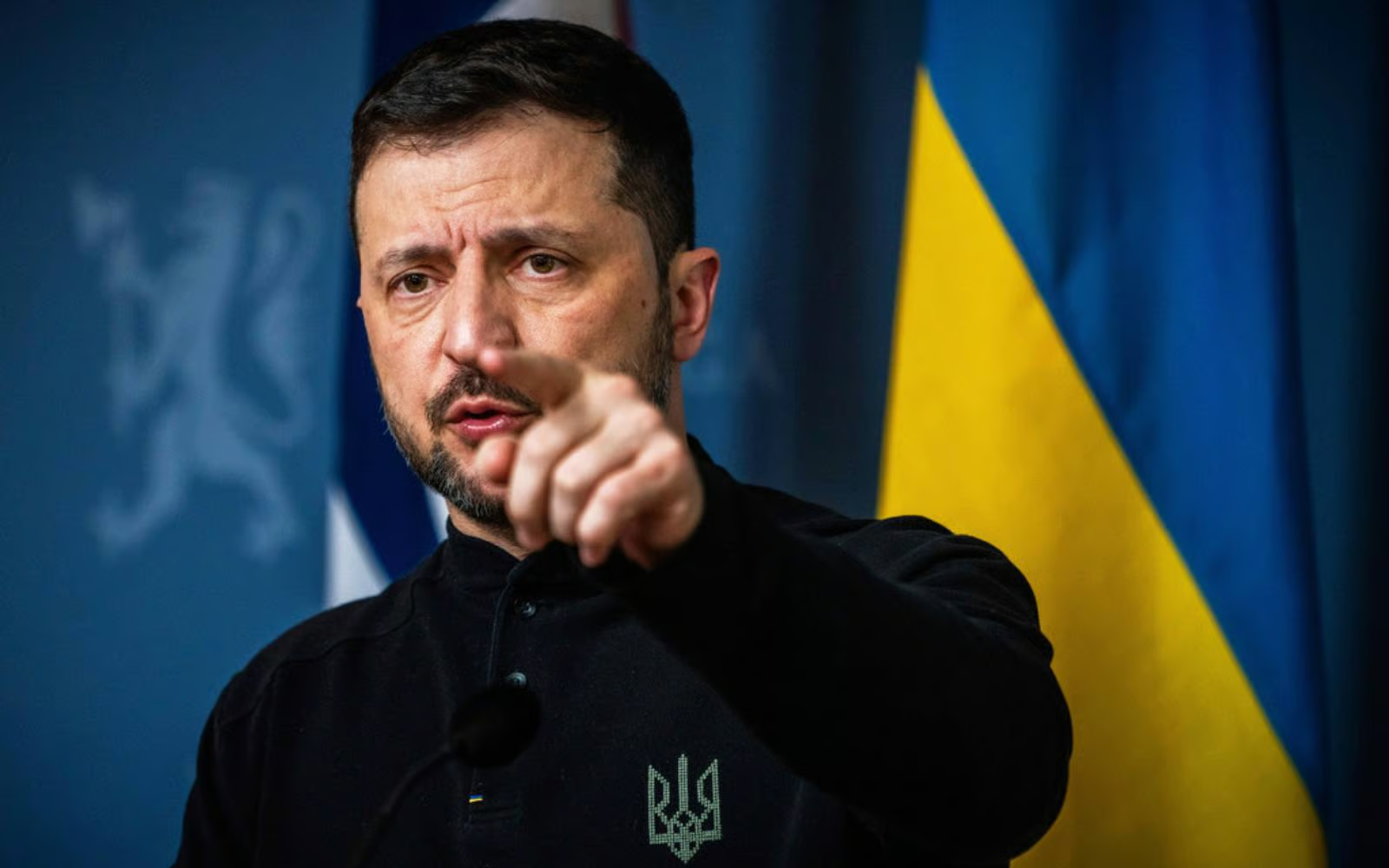
Ukrainian President Volodymyr Zelenskyy, in a social media post, indicated tangible progress made during these sessions, specifically noting advancements across three critical areas: establishing security guarantees, planning for reconstruction efforts, and laying a foundational framework for a comprehensive rebuilding of the nation. He also hinted at upcoming engagements in the United States, suggesting a broader diplomatic push is underway. Earlier in the day, Umerov himself underscored the intensity of the agenda, mentioning “security and economic issues, work on framework documents, and coordination of further steps with partners” as key discussion points.
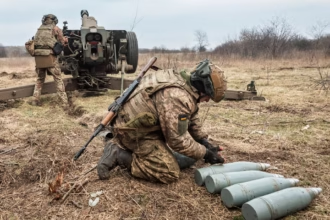
A significant component of the proposed security architecture involves a multi-layered defense strategy. Ukrainian negotiator Oleksandr Bevz outlined a plan that positions Ukrainian forces as the primary line of defense, supplemented by the deployment of European-led troops within Ukraine, and fortified by US security guarantees. This elaborate structure aims to provide a robust deterrent and ensure long-term stability in the region.
Parallel to these security discussions, an extensive economic support package has been agreed upon by international partners. Taras Kachka, Ukraine’s Deputy Prime Minister, announced an approximate €682 billion commitment to Ukraine over the next decade. This substantial sum, calculated through a collaborative effort involving the World Bank, the IMF, and the EU, is earmarked for various critical needs. It encompasses compensation for damages incurred during the conflict, funding for comprehensive reconstruction projects, initiatives to ensure economic stability, and a significant €170 billion growth “booster” directly tied to the reforms required for Ukraine’s eventual accession to the European Union. Oleksii Sobolev, Ukraine’s Economy Minister, clarified that this funding is anticipated to be a mix of public grants and concessional loans, with the precise details expected to be finalized within the coming two weeks.
Amidst these diplomatic and financial maneuvers, there have also been notable shifts within Ukraine’s government. On the same Saturday, President Zelenskyy extended an offer to Defence Minister Denys Shmyhal, proposing he take on the dual role of energy minister and first deputy prime minister. Just the day prior, Zelenskyy had appointed General Kyrylo Budanov, who previously led Ukraine’s military intelligence, as his new chief of staff. The president framed Budanov’s appointment as a strategic move to sharpen the government’s focus on national security, bolster defense development, and enhance diplomatic initiatives. These internal adjustments underscore a concerted effort to align leadership with the evolving demands of the conflict and the broader peace process.