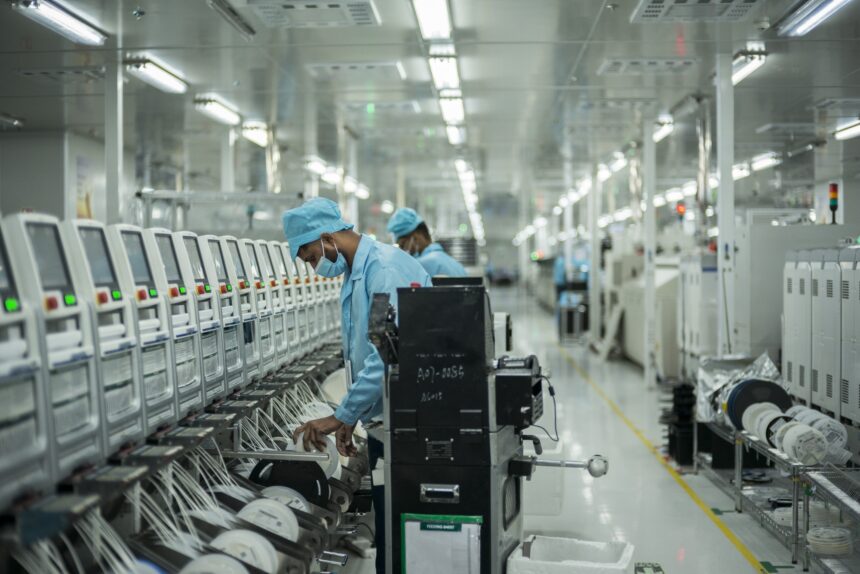
New Delhi recently greenlit a substantial financial commitment, earmarking approximately $4.6 billion, to significantly bolster its domestic electronics supply chain. This move underscores India’s strategic ambition to transition from a major consumer market into a pivotal global manufacturing hub, particularly in the highly competitive electronics sector. The approved funds are expected to catalyze investment across various segments, from component manufacturing to assembly, packaging, and testing facilities, aiming to reduce reliance on imports and foster indigenous capabilities.
The initiative arrives at a critical juncture for global trade, characterized by geopolitical realignments and a concerted push by nations to secure essential supply lines. India’s program is designed to attract both domestic and international players, offering incentives that could include production-linked subsidies, tax breaks, and infrastructure support. Policymakers are betting that these measures will create an attractive environment for companies looking to diversify their manufacturing bases beyond traditional centers. The ultimate goal is to integrate Indian companies more deeply into the global value chain for electronics, capturing a larger share of the trillion-dollar industry.
This financial injection builds upon earlier policy frameworks, such as the Production Linked Incentive (PLI) scheme, which has already shown promise in drawing major electronics manufacturers to the country. While the PLI scheme primarily focused on finished goods assembly, this new allocation specifically targets the foundational elements of the supply chain. This shift reflects a recognition that true self-reliance and resilience in electronics manufacturing require robust local ecosystems for components, rather than just assembly operations. It aims to address critical gaps in areas like semiconductor fabrication, display manufacturing, and advanced materials, which are currently dominated by a handful of countries.
Analysts suggest the investment could have a transformative effect on India’s manufacturing landscape, potentially creating millions of jobs and significantly boosting its export capabilities. However, the path is not without its challenges. Establishing a world-class electronics supply chain demands not only capital but also a skilled workforce, consistent power supply, efficient logistics, and a supportive regulatory environment. The success of this ambitious plan will hinge on the effective implementation of policies and the ability of the government to sustain long-term commitment despite potential global economic fluctuations.
Furthermore, the initiative positions India as a more attractive destination for technology transfer and research and development collaborations. By fostering a comprehensive ecosystem, the nation hopes to encourage innovation and the development of proprietary technologies, moving beyond contract manufacturing to become a leader in electronics design and intellectual property. This strategic pivot could redefine India’s role in the global tech arena, shifting perceptions and capabilities over the coming decade. The $4.6 billion commitment is not merely an expenditure; it is an investment in a future where India plays a more central and self-sufficient role in shaping the world’s electronics landscape.