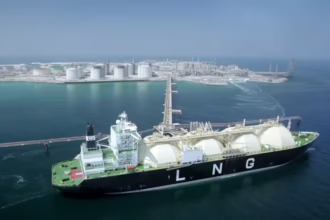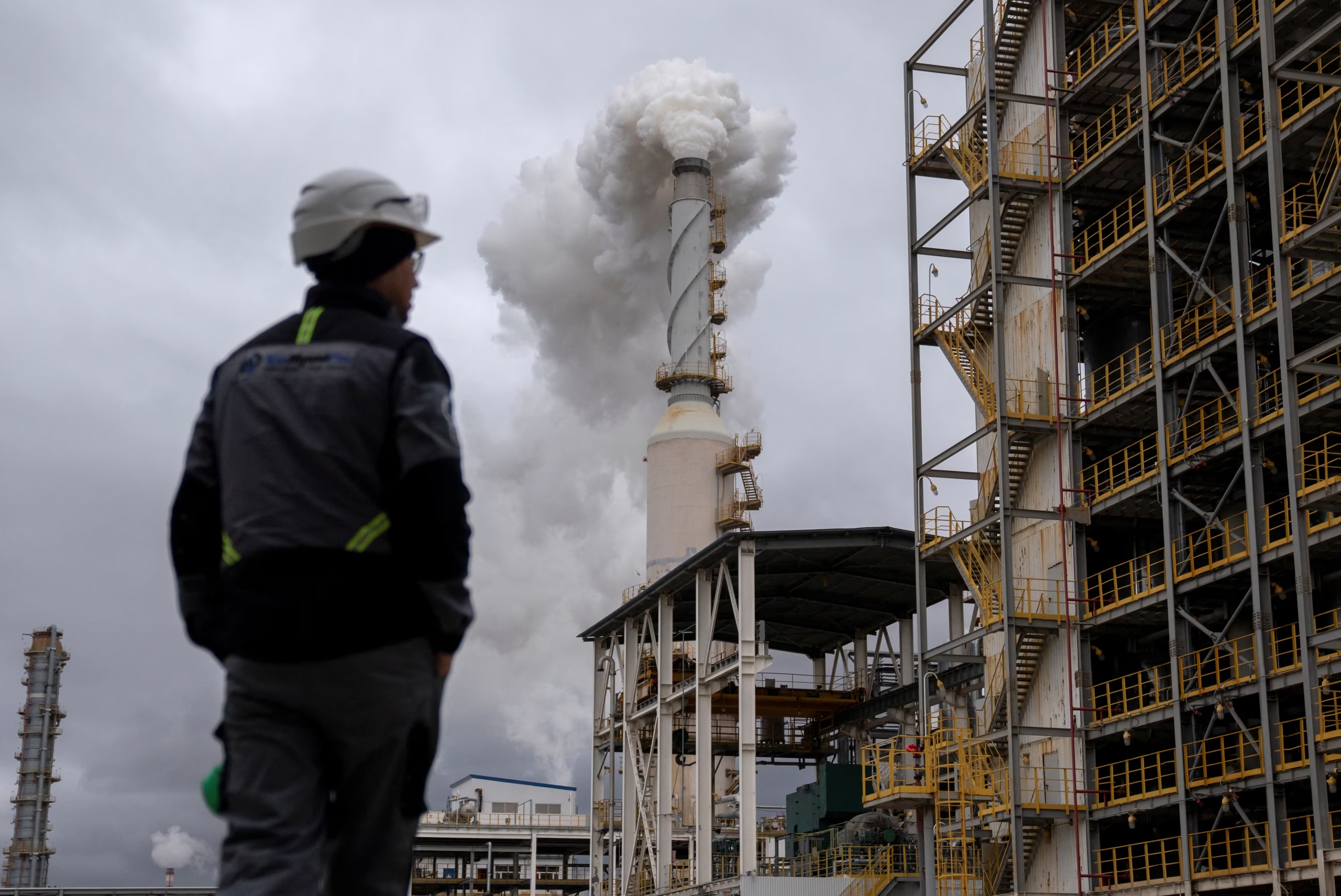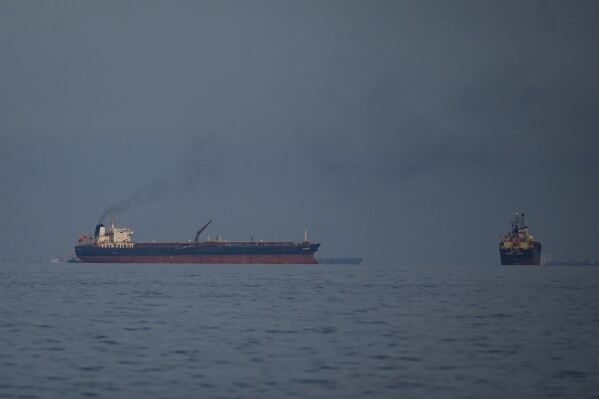
The narrow, strategic choke point of the Strait of Hormuz, a critical artery for global energy markets, is facing increasing perils, a top United Nations official recently indicated. This assessment underscores persistent anxieties over maritime security in a region frequently beset by geopolitical tensions and incidents affecting commercial shipping. The strait, through which roughly a fifth of the world’s total oil consumption passes daily, remains a flashpoint where even minor disruptions can ripple through international economies.
Concerns articulated by the UN official highlight a complex web of factors contributing to this heightened risk environment. These range from the lingering effects of past attacks on tankers to the broader geopolitical maneuvers that often play out in the Persian Gulf. Shipping insurers, for instance, have for years grappled with calculating premiums for vessels transiting these waters, reflecting the inherent uncertainties and potential for sudden, unforeseen events. The presence of multiple naval forces, each with their own operational parameters and interests, further complicates an already intricate maritime landscape.
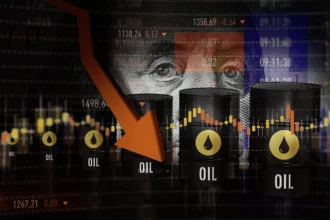
Historically, the Strait of Hormuz has been a theater for various forms of disruption, from mine attacks during the “Tanker War” of the 1980s to more recent seizures and alleged sabotage incidents. These events serve as stark reminders of the vulnerability of maritime commerce when navigating through contested zones. Any significant impediment to the free flow of oil and gas through this strait would not only trigger an immediate spike in energy prices but could also lead to a broader destabilization of global trade routes and supply chains far beyond the immediate region.
The international community, including major trading nations and energy consumers, has a vested interest in maintaining the unimpeded passage of vessels through the Strait of Hormuz. Diplomatic efforts often run concurrently with maritime patrols and surveillance operations aimed at deterring hostile acts. However, the sheer volume of traffic, coupled with the geographical constraints of the strait itself, presents formidable challenges to ensuring absolute security for every vessel. Tankers, often massive in scale and slow to maneuver, represent particularly tempting targets for those seeking to exert leverage or cause disruption.
Looking ahead, the ongoing dialogue among littoral states and international partners will be crucial in mitigating these identified risks. Developing robust communication channels and de-escalation protocols could prove vital in preventing misunderstandings from spiraling into confrontations. The economic stakes are simply too high for complacency, as any major incident involving oil tankers or other commercial ships in this critical waterway would have profound and immediate global repercussions, affecting everything from fuel prices at the pump to the cost of goods transported across oceans. The UN official’s warning serves as a timely reminder that vigilance and cooperative security measures are more necessary than ever in this pivotal maritime corridor.