The numbers tell a stark story. The U.S. government faces an estimated annual revenue loss between $19 billion and $26 billion due to sophisticated tariff evasion tactics, a problem magnified by the very trade policies designed to boost domestic revenue. This figure, highlighted in a recent White House report, underscores a pervasive issue known as transshipment, where goods are rerouted through intermediary countries to dodge import duties. Yet, the scale of this economic drain could be far greater, with data from China’s General Administration of Customs and the U.S. Census Bureau revealing a staggering $112 billion discrepancy last year between what China reported shipping to the U.S. and what the U.S. recorded receiving.
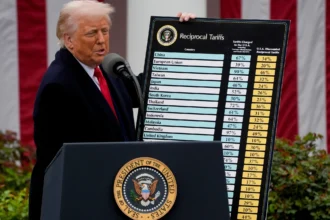
This phenomenon is not entirely new, but its current magnitude is directly linked to the increased tariffs imposed by the Trump administration. As Ryan Petersen, CEO of supply chain management platform Flexport, observed, if tariffs were negligible, there would be little incentive for fraud. However, with duties on Chinese imports, for instance, more than doubling from around 11% to 23% in the current administration, the motivation to circumvent these costs has intensified dramatically. The White House’s Office of Trade and Manufacturing Policy (OTMP) report itself, while acknowledging a historical “Great Transshipment Scam,” implicitly points to the current environment as a catalyst, noting that “the second Trump Administration inherited a witch’s brew of economic incentives” that have grown more toxic.
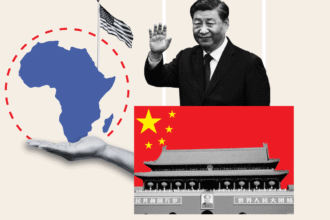
China emerges as a primary player in this elaborate scheme, reportedly processing exports through over 40 different nations to obscure their true origin. However, the problem extends beyond a single country. The White House report also implicated numerous other nations for turning a blind eye to shell importers and foreign entities facilitating this fraud. Carrie Owens, a partner at Kelley Drye & Warren and former head of enforcement at U.S. Customs and Border Protection (CBP), explained that this practice of transshipment, alongside tactics like mislabeling goods or under-reporting their value, ramped up significantly in 2018 during President Trump’s first term when tariffs were first imposed on a substantial volume of Chinese goods. Goldman Sachs previously estimated revenue losses between $110 billion and $130 billion from tariff dodgers during that period.
The economic consequences ripple through the entire system. Beyond the direct loss of federal tax revenues, the White House claims that the U.S.-China trade deficit, exacerbated by these evasion schemes, could lead to annual GDP losses ranging from $60 billion to $606 billion. Furthermore, legitimate businesses that adhere to trade regulations find themselves at a severe disadvantage. They compete against companies that unlawfully avoid these duties, creating an uneven playing field that ultimately harms compliant domestic and foreign entities importing into the United States. These “good actors,” as Owens describes them, bear the full weight of the tariffs, while their competitors gain an unfair cost advantage.
A critical vulnerability in the U.S. trade system, which predates the current tariff regime, lies in its allowance for foreign importers of record. These non-American business entities can take responsibility for shipments and customs entries, a policy initially intended to foster free trade and reduce regulatory burdens. However, it has inadvertently provided a loophole for fraudulent activities. These foreign entities can operate as shell companies, funneling goods and then disappearing, leaving U.S. authorities with limited recourse since these owners often lack assets within Uulating jurisdiction. The Trump administration has begun addressing this, with a June 3 executive order restricting the use of continuous customs bonds by foreign entities and requiring more detailed documentation through formal entry procedures. CBP is also deploying AI to analyze shipment data and flag inconsistencies, with Owens suggesting that the impact of these crackdowns could be felt as early as October. However, the core challenge remains: the higher the tariffs, the greater the incentive for evasion, potentially creating a cycle where increased duties aimed at recouping losses only fuel further fraud.