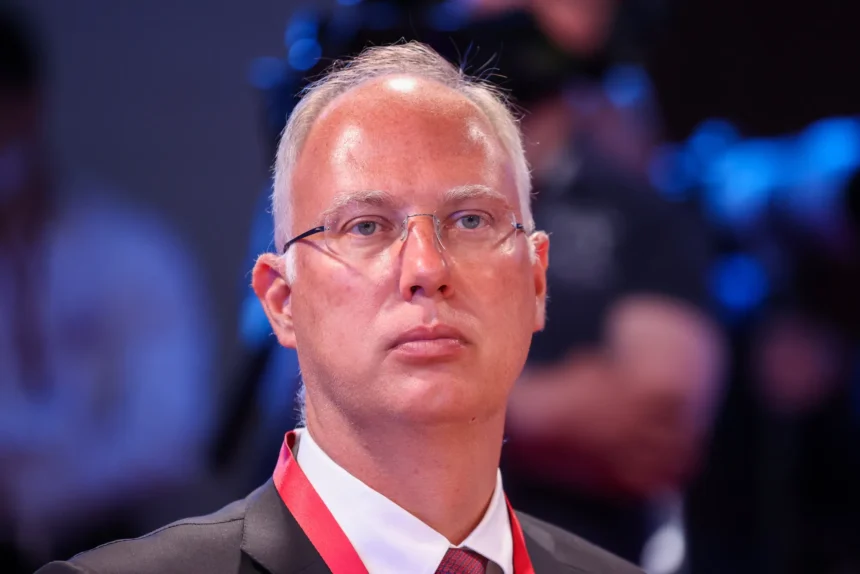
Kirill Dmitriev, a key figure in Russian economic diplomacy, recently indicated that discussions concerning the global energy landscape had taken place with officials from the Trump administration. These conversations, confirmed by Dmitriev, the head of Russia’s sovereign wealth fund, the Russian Direct Investment Fund (RDIF), underscore the intricate web of international relations and the enduring significance of energy policy in geopolitics. While the specific details of these exchanges remain largely undisclosed, the very acknowledgment of such high-level contact points to a continuous dialogue between major energy-producing nations and consuming powers.
The backdrop to these discussions involves a period of fluctuating oil prices and evolving energy strategies across the globe. Both Russia and the United States, as significant players in the global energy market, have vested interests in stability and predictability. Dmitriev’s role as a direct envoy for Russian President Vladimir Putin adds a layer of official weight to these confirmed talks, suggesting that they were not merely informal exchanges but rather part of a broader diplomatic effort to navigate complex economic realities. The emphasis on energy crisis talks specifically highlights concerns over supply, demand, and price volatility, issues that have ripple effects far beyond the immediate producers and consumers.
Such dialogues, even when discreet, are crucial for understanding the undercurrents of international policy. They often serve as channels for gauging intentions, exploring potential areas of cooperation, and mitigating risks in volatile sectors. The Trump administration, known for its “America First” energy independence stance, simultaneously engaged with various global energy actors, reflecting a pragmatic approach to securing national interests while also recognizing the interconnectedness of energy markets. This dual approach meant pursuing domestic production records while also engaging with traditional energy powerhouses like Russia.
The implications of these confirmed discussions extend to the broader international community, particularly to European nations heavily reliant on Russian energy supplies. Any formal or informal agreements, or even just shared understandings, between Washington and Moscow on energy could influence global pricing, distribution, and long-term investment strategies. Dmitriev’s public statement, therefore, serves as a notable data point for analysts tracking shifts in energy diplomacy and the subtle recalibrations of power dynamics on the world stage. It suggests a willingness, at certain levels, to engage on critical economic issues despite broader geopolitical tensions that may exist.
Looking ahead, the nature of these past conversations could provide a template for future engagements as the global energy landscape continues its transformation. The transition to renewable energy sources, the ongoing debate about fossil fuel divestment, and the strategic importance of energy security all contribute to a complex environment where dialogue, even between perceived rivals, becomes essential. Dmitriev’s confirmation offers a glimpse into the persistent efforts by nations to manage the economic lifeblood of the world, reminding us that behind the headlines of political disagreement, pragmatic discussions on shared challenges often take place.