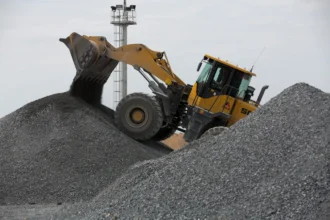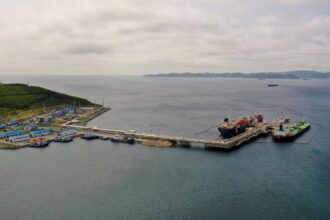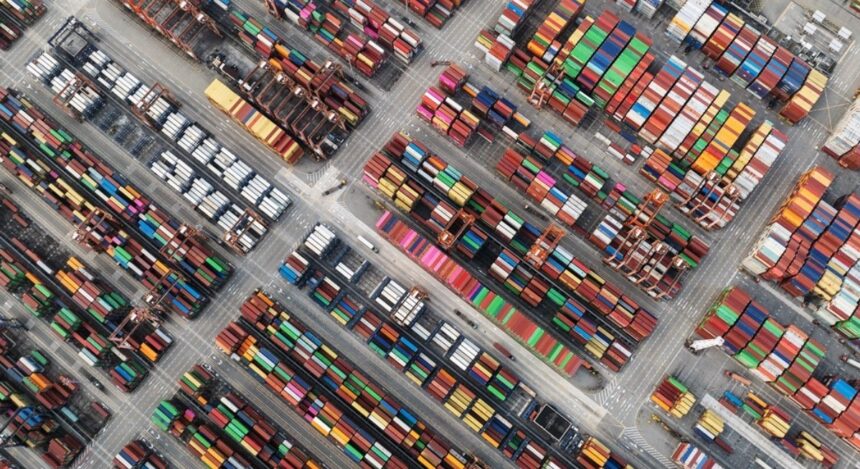
The bustling docks of Zhangjiagang, typically a barometer of China’s formidable export engine, recently revealed a shifting economic landscape. While workers diligently unload imported potash, a tangible sign of robust demand for key commodities, the broader picture for the nation’s trade balance has begun to change. March figures indicate a notable deceleration in export growth, a direct consequence of the volatility gripping global markets, exacerbated by ongoing conflict in Iran. This slowdown arrives concurrently with a substantial increase in China’s import expenditures, largely fueled by elevated energy prices, ultimately narrowing the country’s once-expansive trade surplus.
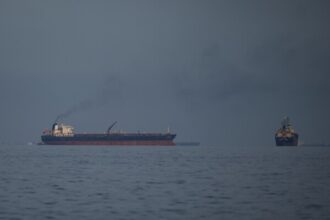
The confluence of these factors presents a nuanced challenge for Beijing’s economic planners. For months, China’s manufacturing sector has been a primary driver of global supply chains, but external pressures are now creating headwinds. The war in Iran, thousands of miles from China’s industrial heartland, has nonetheless sent ripples through the international energy markets, pushing crude oil and natural gas prices upwards. This translates directly into higher costs for Chinese industries, which are heavily reliant on imported energy to power their factories and transport their goods. The impact is not merely a matter of balance sheets; it affects the cost of production for virtually every item China manufactures for export.
This dynamic is clearly reflected in the import statistics. The value of goods brought into China surged by 28% in March alone. This significant jump underscores strong domestic demand for raw materials and commodities, including essential resources like potash, but it also reflects the higher price tag attached to these critical inputs. While a portion of this increase can be attributed to genuine economic expansion and industrial need, a substantial segment is simply the cost of doing business in a world grappling with inflated commodity prices. The country’s energy requirements, in particular, have become a major expenditure item, directly cutting into the profits generated by its export machine.
The slowing export growth, while still positive, signals a potential cooling of demand from international markets or increased competition. Global economic uncertainty, partly stemming from geopolitical tensions, can lead to reduced consumer spending and corporate investment in key importing nations. This, in turn, translates into fewer orders for Chinese manufacturers. The interplay between these external forces — rising import costs and moderating export revenues — creates a squeeze on China’s trade surplus, a figure that has long been a cornerstone of its economic strength.
For policymakers, the situation demands careful navigation. Sustaining economic growth while managing inflationary pressures from imported goods and a potentially softening export market will be crucial. The robust import figures, particularly for essential commodities, suggest that domestic industrial activity remains strong, even as the cost of fueling that activity rises. However, the long-term implications of a sustained period of high import costs coupled with slower export expansion could necessitate adjustments in trade strategies and domestic economic policies to maintain stability and growth in an increasingly volatile global economy. The scenes at ports like Zhangjiagang offer a tangible glimpse into these complex, interconnected global economic currents.