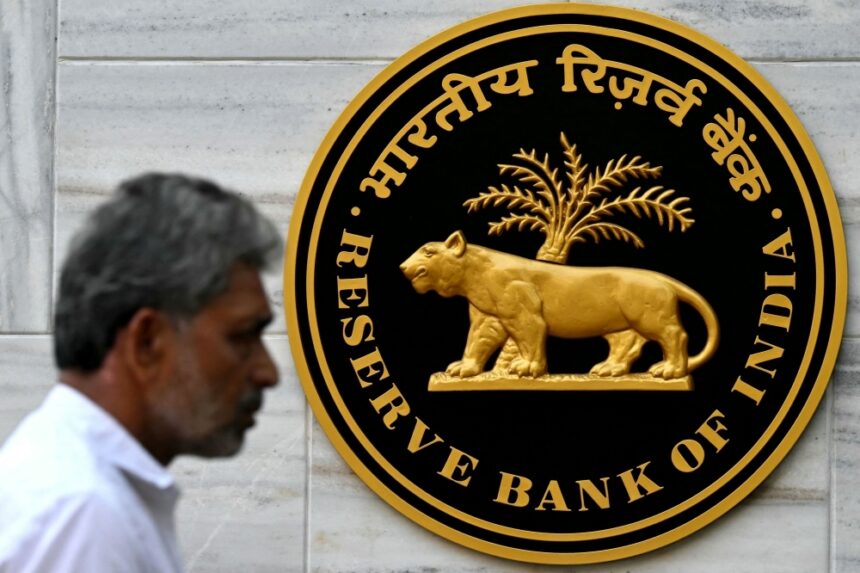
The Reserve Bank of India announced its decision to maintain the key policy rate on Friday, a move that followed closely on the heels of an announcement from U.S. President Donald Trump regarding a reduction in tariffs on Indian exports. This pause in monetary policy adjustments comes at a time when the economic forecast for India, often cited as one of the world’s fastest-growing major economies, appears to be gaining momentum. The confluence of these international trade developments and domestic policy stability suggests a period of cautious optimism for the Indian market.
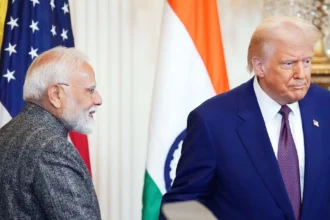
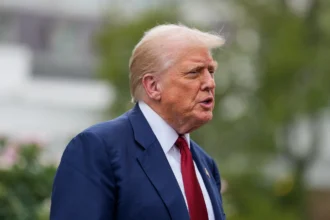
For days leading up to the central bank’s meeting, speculation had mounted regarding potential shifts in India’s monetary stance, particularly given global economic headwinds and domestic inflationary pressures. However, the unexpected clarity on trade relations with the United States seems to have provided the Reserve Bank with sufficient rationale to hold its current course. President Trump’s declaration that tariffs on Indian goods would be cut to 18% effectively removed a significant layer of uncertainty that had been clouding export-oriented sectors of the Indian economy. This reduction is expected to offer a tangible boost to Indian businesses that rely heavily on access to the American market, potentially easing some of the pressure on the central bank to stimulate growth through rate cuts.
The decision from Mumbai reflects a broader strategy to observe the effects of these external factors before committing to any significant policy alterations. A stable interest rate environment can provide predictability for businesses and investors, allowing them to better plan for future operations and investments. Given that India’s economic growth trajectory is keenly watched by global financial institutions, this steady approach from the Reserve Bank could be interpreted as a signal of confidence in the underlying resilience of the Indian economy, even as it navigates complex international trade dynamics.
The impact of tariff adjustments, while seemingly a distant policy matter, directly influences the profitability of Indian exporters and, by extension, the employment landscape and overall economic sentiment within the country. A reduction in tariffs means Indian products become more competitive in the U.S., potentially leading to increased demand and production. This positive ripple effect could alleviate some of the domestic economic challenges that might otherwise necessitate a more interventionist monetary policy. The central bank’s decision to maintain rates, therefore, can be seen as an acknowledgment of this improved external environment, allowing market forces to absorb and react to the trade news.
Looking ahead, analysts will be scrutinizing upcoming economic indicators to discern the full impact of both the U.S. tariff reduction and the Reserve Bank of India’s unchanged policy. Key metrics such as export growth, manufacturing output, and inflation figures will offer further insights into how India’s economy is responding to these developments. For now, the central bank’s decision underscores a strategy of watchful waiting, allowing the positive momentum from international trade agreements to play out before considering any further adjustments to the cost of borrowing. The interplay between global trade diplomacy and national economic policy continues to shape the trajectory of major economies, with India currently navigating these currents with a steady hand.