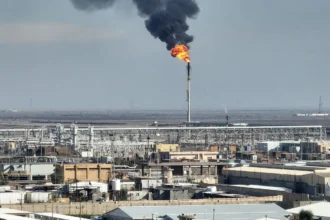

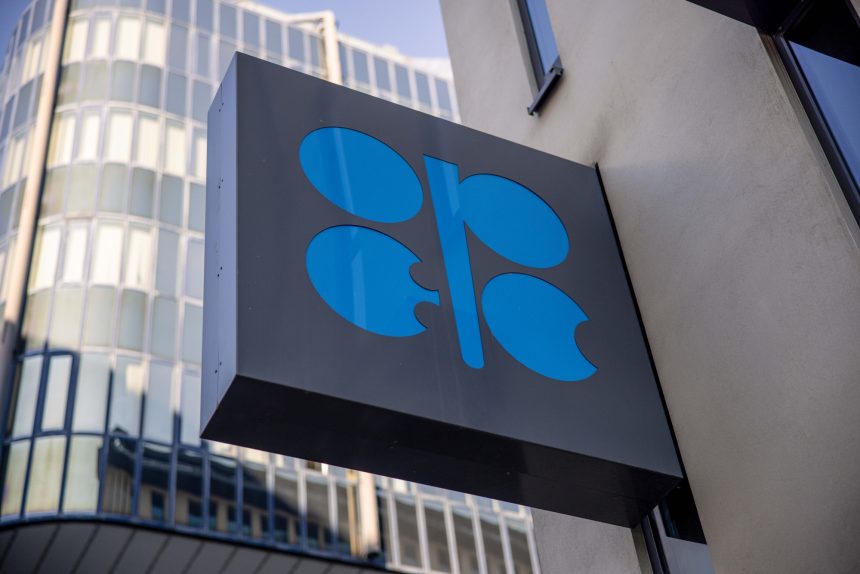
OPEC+ oil ministers will gather at the end of this month for what analysts and delegates are calling the group’s most consequential supply decision of the year. The meeting is expected to set the production framework for 2027, a year that could reshape global oil markets if the war involving Iran winds down and more crude returns to international trade.
Saudi Arabia and its partners face a delicate balancing act. On one side, they must decide whether to maintain current output curbs, unwind them gradually, or risk adding barrels to a market that remains vulnerable to geopolitical shocks and uncertain demand growth. On the other, they must hold together an alliance that has shown growing signs of strain.
The United Arab Emirates has already left the group after years of tension over its production quota, frustrated that its rising production capacity was not reflected in its official limit. Iraq, meanwhile, has repeatedly pushed for room to pump more, arguing that years of underinvestment and production shortfalls should not permanently cap its future output.
The timing is especially tricky. A potential end to the Iran war could eventually bring more Iranian oil back onto the market, either through a diplomatic arrangement or through reduced disruption in the Strait of Hormuz. If that happens, OPEC+ would need to adjust its own supply to avoid a price collapse, while still protecting the market share of its members.
Oil traders and consuming nations will be watching closely. The decision will influence everything from government budgets in the Gulf to inflation pressures in Europe and Asia, and from energy company investment plans to the pace of the global energy transition. Ministers have not tipped their hand, but the stakes are unmistakable: the choice they make in the coming days could set the tone for oil markets well into next year.
Source: Bloomberg
Feature image credit: Akos Stiller/Bloomberg