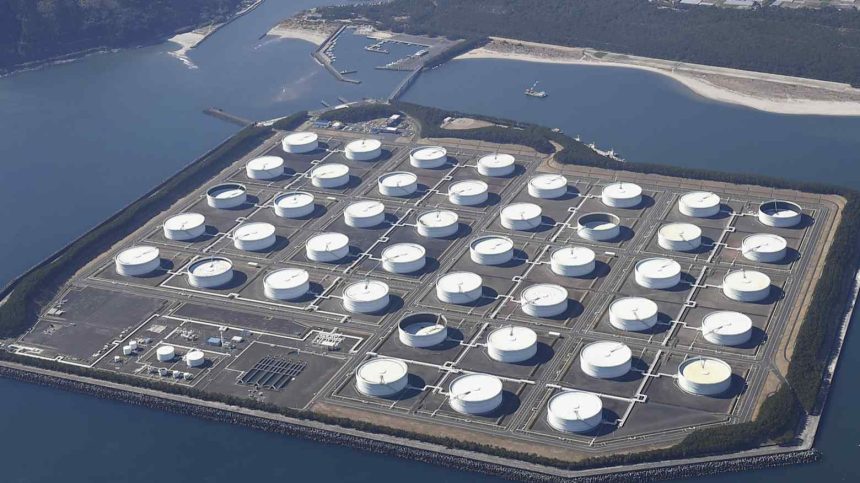
The coordinated release of strategic oil reserves across the globe proved instrumental in shielding Asian economies from a potentially severe downturn following the recent conflict involving Iran. A report issued Friday by the Japanese government concludes that this collective action effectively mitigated what could have been a sharp economic slowdown across the region. This response highlights a significant moment in international energy policy, demonstrating how preemptive measures can stabilize markets amidst geopolitical turbulence.
Prior to the intervention, concerns were mounting over the potential for supply disruptions from the Middle East, a vital source of crude oil for many Asian nations. Historically, geopolitical tensions in this region have often translated into immediate and significant price spikes, impacting everything from manufacturing costs to consumer prices. However, this time, the proactive decision to tap into national reserves provided a crucial buffer, ensuring that crude oil continued to flow without major interruptions.
One key factor in this success was the ability of Asian economies to diversify their crude oil imports. While the Middle East remains a primary supplier, the availability of alternative sources, as noted by Idemitsu Tanker data, played a complementary role. This flexibility in sourcing, combined with the strategic reserve release, created a robust defense against market volatility that might otherwise have been unavoidable. The rapid deployment of these reserves signaled to the market that governments were prepared to act decisively, which in turn helped to temper speculation and maintain a more stable pricing environment.
The Japanese government’s analysis underscores the importance of international cooperation in managing energy security, particularly for import-dependent regions like Asia. Such collaborative efforts are not unprecedented, but their effectiveness in this specific scenario offers valuable lessons for future crises. The swift international consensus to release reserves demonstrated a shared understanding of the potential economic fallout and a collective commitment to stability. This outcome suggests a maturing framework for global energy governance, where coordinated action can genuinely avert widespread economic distress.
For industries across Asia, from manufacturing powerhouses to burgeoning service sectors, the continuity of affordable energy supply was paramount. A sharp increase in oil prices could have squeezed profit margins, stalled expansion plans, and potentially led to inflationary pressures that would have eroded consumer purchasing power. The report implicitly credits the reserve release with preventing these cascading effects, thereby safeguarding jobs and maintaining economic momentum in a region that is a significant driver of global growth.
Looking ahead, this event may prompt a re-evaluation of strategic reserve policies and the mechanisms for their deployment. The success story outlined in the Japanese government’s report could serve as a blueprint for how nations can collectively respond to future energy shocks, whether they stem from geopolitical events, natural disasters, or other unforeseen disruptions. It reinforces the idea that energy security is not merely a national concern but a global one, requiring sustained international dialogue and readiness. The lesson from the recent Iran-related tensions appears clear: preparedness and collaboration are indispensable tools in navigating the complexities of the global energy landscape.