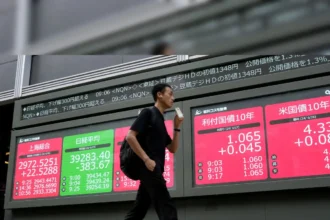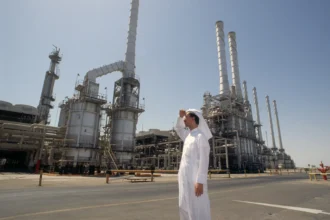
The Nikkei 225 index experienced a notable downturn, closing down 2.66% at 38,477.46 points, a direct reflection of escalating geopolitical anxieties. This decline on the Tokyo Stock Exchange was mirrored across broader Asian markets, as investors reacted to a significant surge in crude oil prices. The price of Brent crude, the international benchmark, climbed above $90 a barrel for the first time since October, fueled by growing concerns about supply disruptions in the Middle East.
This latest market reaction underscores the persistent vulnerability of global economies to instability in key oil-producing regions. The immediate cause for the oil price spike appears to be a confluence of factors, including drone attacks on Russian refineries and ongoing tensions in the Red Sea, which have disrupted shipping routes and increased transit costs. However, the underlying concern for investors remains the potential for broader conflict in the Middle East, which could severely impact global oil supplies. Such events historically lead to higher energy costs, subsequently impacting manufacturing, transportation, and consumer spending worldwide.
Companies heavily reliant on imported energy, particularly those in the manufacturing and transportation sectors within Japan, are likely to face increased operational costs. This pressure on profit margins often translates into lower stock valuations. Furthermore, a sustained period of high oil prices can contribute to inflationary pressures, potentially prompting central banks to maintain higher interest rates for longer, which can dampen economic growth and investor sentiment. The Japanese yen also weakened against the U.S. dollar, adding another layer of complexity for importers and exporters alike. A weaker yen makes imported goods, including oil, more expensive, further exacerbating inflationary concerns for the island nation.
Beyond the immediate economic ramifications, the broader geopolitical landscape remains a significant concern for international markets. Analysts are closely watching diplomatic efforts to de-escalate tensions, but the unpredictable nature of regional conflicts keeps investors on edge. The interconnectedness of global supply chains means that disruptions in one area can quickly ripple across the world, affecting everything from semiconductor production to the availability of consumer goods. This inherent uncertainty often leads to a flight to safety, with investors moving capital out of riskier assets like equities and into more stable holdings such as government bonds or the U.S. dollar, further contributing to stock market declines.
The current situation is not unfamiliar territory for global markets, which have repeatedly demonstrated their sensitivity to energy shocks and geopolitical instability. The response from central banks and governments will be critical in mitigating the economic fallout. Should oil prices remain elevated, the discussion around energy independence and diversification will undoubtedly intensify in many industrialized nations. For now, market participants are bracing for continued volatility, with every development in the Middle East and every fluctuation in oil prices being scrutinized for its potential impact on investment portfolios and the broader economic outlook.