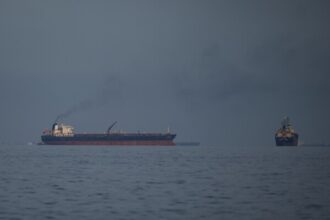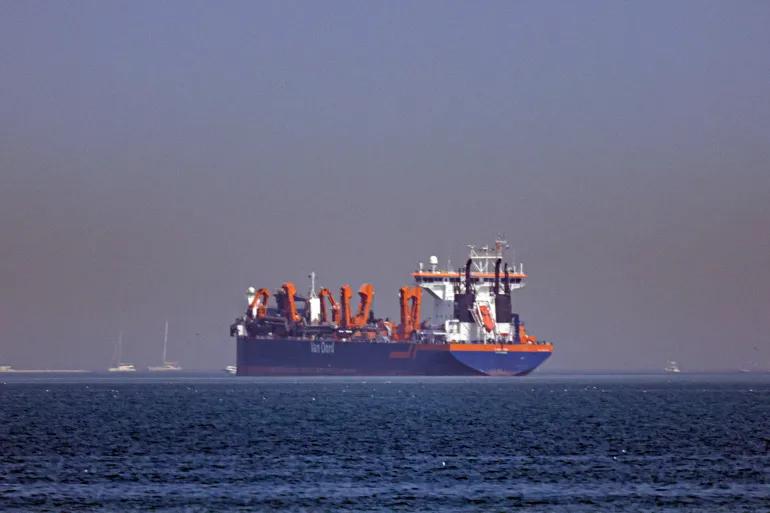
The potential closure of the Strait of Hormuz, a critical chokepoint for global oil supplies, would trigger a dramatic escalation in energy prices and send ripples of economic uncertainty across the world. While consumers and most nations would face significant hardship, analysts suggest that US oil producers could experience an unexpected windfall. This strategic waterway, bordered by Iran and Oman, is the world’s most important oil transit choke point, making any disruption a severe threat to global energy security.
Approximately 21 million barrels of oil per day, or roughly 21% of global petroleum liquids consumption, transited the Strait of Hormuz in 2018. This staggering volume underscores the strait’s indispensable role in the international energy market. The sheer scale of oil moving through this narrow passage means that even a temporary blockage could have catastrophic consequences, rapidly depleting global reserves and driving up prices to unprecedented levels. The impact would extend beyond crude oil, affecting refined petroleum products and liquefied natural gas (LNG) as well, given that a significant portion of the world’s LNG trade also navigates these waters.
Should the strait be rendered impassable, the immediate effect would be a sharp increase in crude oil prices, potentially pushing Brent crude well above the $100 per barrel mark. This surge would be driven by panic buying and the scramble for alternative, more expensive, supply routes. Consumers globally would feel the pinch directly at the pump, with gasoline and diesel prices soaring. Industries reliant on cheap energy, from manufacturing to transportation, would face increased operational costs, potentially leading to inflation and a slowdown in economic activity. Emerging economies, particularly those heavily dependent on oil imports, would be especially vulnerable to such price shocks.
However, amidst this global economic turmoil, US oil producers might find themselves in a surprisingly advantageous position. With domestic crude oil prices historically trading at a discount to international benchmarks like Brent, a substantial increase in global oil prices would narrow this gap or even reverse it. This scenario could significantly boost the profitability of US oil and gas companies, encouraging increased domestic production. Furthermore, the US, having become a net exporter of crude oil and petroleum products, would be better insulated from the direct impact of supply disruptions originating from the Middle East.
The US strategic petroleum reserve, while substantial, would offer only temporary relief. In a prolonged closure scenario, the ability of US producers to ramp up output would become a crucial factor in stabilizing global markets, albeit at elevated price levels. This increased demand for US crude would not only benefit producers but could also contribute to strengthening the US dollar as global buyers seek dollar-denominated oil. However, it is important to note that even for the US, the broader economic fallout from a global recession triggered by sustained high energy prices would still present significant challenges.
The implications of a Hormuz Strait shutdown extend far beyond immediate energy prices. Such an event would trigger a cascade of geopolitical tensions, potentially leading to military interventions and further destabilization in an already volatile region. The international community would face immense pressure to secure the passage, highlighting the intricate link between energy security and global peace. While the immediate focus would be on oil, the long-term ramifications for international trade, diplomatic relations, and the global economic order would be profound and far-reaching.
Ultimately, the prospect of a Hormuz Strait closure serves as a stark reminder of the fragility of the global energy supply chain and the interconnectedness of the world economy. While some US producers might see a short-term benefit from soaring prices, the broader economic devastation and geopolitical instability would undoubtedly outweigh any localized gains. The world's reliance on this narrow waterway underscores the urgent need for diversified energy sources and robust international cooperation to prevent such a catastrophic event.