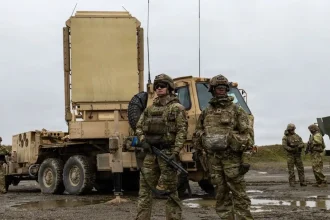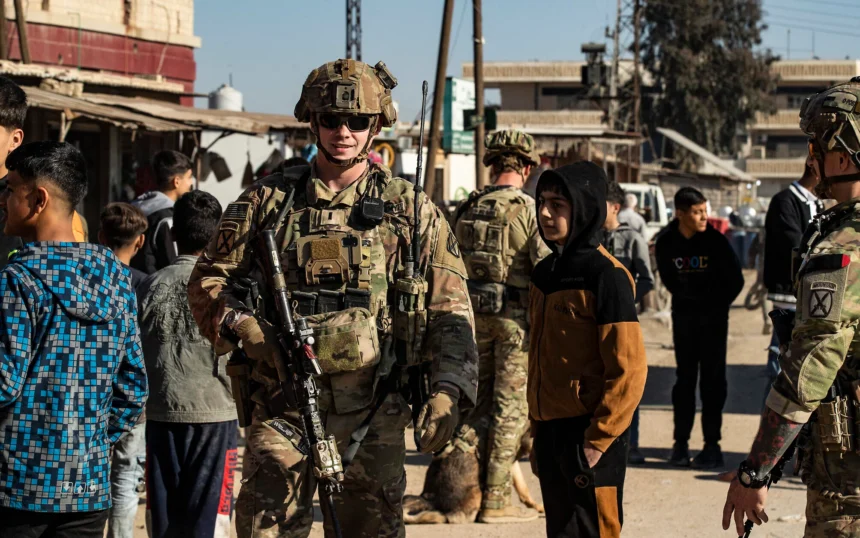
The convoys began their slow, deliberate movement out of key operational zones in northeastern Syria last week, marking a significant shift in the geopolitical landscape of the region. This redeployment, confirmed by Pentagon officials, comes as the newly established government in Damascus continues to solidify its control across various territories. The United States forces, primarily engaged in counter-terrorism operations and training local partners, are now in the process of scaling back their presence, a move anticipated by some analysts but still prompting considerable discussion among international observers.
This withdrawal is not an overnight decision but rather the culmination of evolving strategic considerations and diplomatic engagements. For years, the presence of US troops has been a complex factor in Syria’s protracted conflict, balancing objectives such as preventing the resurgence of extremist groups and supporting allied local factions. The current administration in Washington has consistently signaled a desire to reduce troop commitments in the Middle East, emphasizing a pivot towards other global priorities. This latest action in Syria appears to align with that broader strategic reorientation.
On the ground, the impact of this US departure is already being felt. Local communities and various armed groups that have historically relied on American support are now facing a changed reality. The Syrian Democratic Forces (SDF), a key US partner in the fight against ISIS, have publicly expressed concerns regarding potential security vacuums and the implications for regional stability. Their leadership has been in communication with the new government in Damascus, exploring avenues for cooperation and protection in the wake of the American disengagement.
Meanwhile, the new government in Damascus, having steadily regained territory and asserted its authority over the past few years, views the US withdrawal as a step towards full national sovereignty. State-controlled media outlets have framed the American departure as a necessary consequence of the central government’s re-establishment of control. Diplomatic efforts, including discussions with regional powers and international bodies, have intensified as Damascus seeks to integrate previously contested areas and manage the diverse array of actors within its borders. The challenge for the new administration lies in demonstrating its capacity to maintain security and provide governance without the destabilizing effects of external military intervention.
Regional powers are closely monitoring these developments. Turkey, Iran, and Russia, all with significant interests and involvement in Syria, are undoubtedly recalibrating their own strategies. The reduction of US influence could lead to a reordering of alliances and a shift in the balance of power, potentially opening new diplomatic pathways or, conversely, exacerbating existing tensions. The coming months will likely see a flurry of diplomatic activity as these nations adapt to the altered circumstances on the ground.
The humanitarian situation in Syria, already dire, also remains a critical concern. Aid organizations are working to assess how the changing military landscape might affect access to vulnerable populations and the delivery of essential services. Any significant shifts in control or renewed instability could further complicate an already challenging environment for millions of displaced individuals and refugees. The international community continues to call for sustained humanitarian assistance and a lasting political resolution to the conflict.
Ultimately, the United States’ decision to pull forces from Syria represents a pivotal moment for the country and the wider Middle East. It underscores the fluidity of international relations and the enduring complexities of post-conflict stabilization. As the new government in Damascus extends its reach, the long-term consequences of this troop withdrawal will unfold, shaping the future of Syria and its place in the tumultuous regional order.