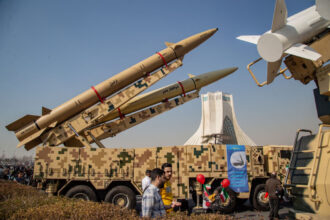
Ukrainian military specialists have successfully intercepted Iranian-made Shahed drones in the Middle East, a development confirmed by President Volodymyr Zelenskyy. This marks the first public acknowledgment of Kyiv’s direct involvement in countering these weapons outside its own borders. Zelenskyy stated that Ukrainian personnel, including experts in interceptor drones and electronic warfare, were deployed to the region to assist partners in combating the same type of weaponry Russia has utilized against Ukraine.
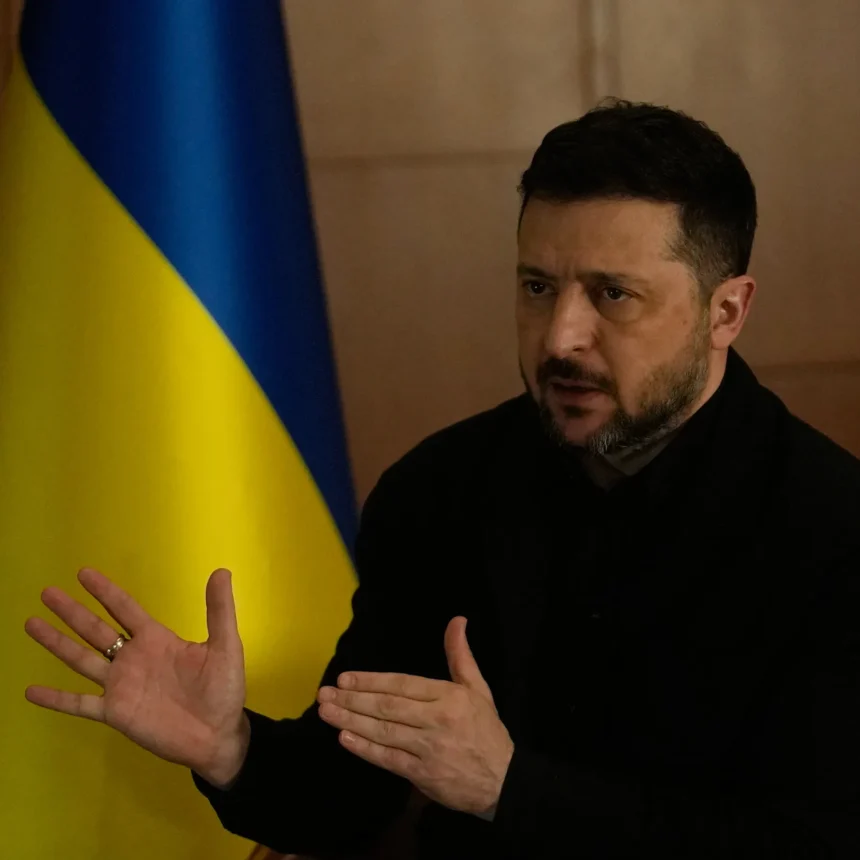
The revelation emerged from a briefing given by Zelenskyy, with contents embargoed until recently. He elaborated on active operations where Ukrainian forces employed domestically produced interceptor drones. “We demonstrated to some countries how to work with interceptors,” Zelenskyy noted, detailing a strategy that follows cooperation agreements with several Gulf nations. He emphasized that Ukrainian experts provided rapid advice on strengthening existing air defense systems in the countries that welcomed their assistance, in some cases directly sharing defensive experience. This engagement, according to Zelenskyy, has yielded “very positive outcomes” and garnered respect for Ukraine on the international stage.
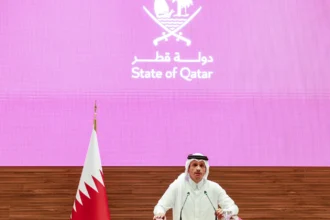
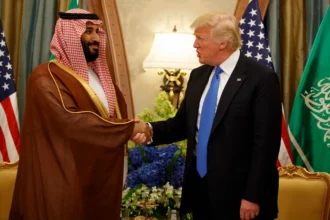
Ukraine’s presence in the Gulf region is described as more than a mere training mission. Zelenskyy characterized it as support for establishing robust, modern air defense capabilities. He specifically mentioned that Ukrainian companies will collaborate with the armed forces of Saudi Arabia, the UAE, and Qatar under 10-year agreements. These partnerships aim to protect critical infrastructure within these nations. Discussions are also underway with Oman, Kuwait, and Bahrain, indicating a broader strategic engagement across the Gulf.
The exchange is not one-sided. In return for its specialized support and expertise, Ukraine anticipates receiving various forms of assistance. Zelenskyy detailed that these arrangements include interceptors to bolster Ukraine’s own energy infrastructure defenses. Beyond military hardware, the agreements also encompass financial provisions and critical energy supplies. Ukraine expects to receive oil and diesel, either as crude oil destined for European refineries or as finished products. This reciprocal relationship, Zelenskyy underscored, is about strengthening both Ukrainian resilience and regional security.
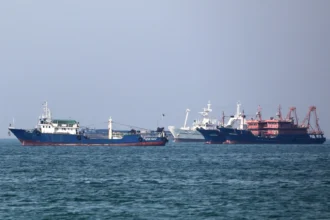
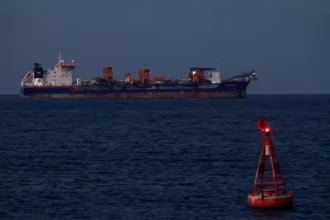
This initiative also extends to broader geopolitical considerations. Zelenskyy previously indicated that Ukrainian military personnel are engaged in consultations concerning the functionality of the Strait of Hormuz, a critical global shipping lane. The strategic depth of these agreements, combining military cooperation with economic benefits, suggests a concerted effort by Kyiv to leverage its hard-won expertise in modern warfare while simultaneously securing vital resources for its ongoing defense. The deployment of Ukrainian specialists to counter Iranian drones in the Middle East signifies an expansion of Ukraine’s international role, moving beyond defensive postures within its own territory to actively assist allies in shared security challenges.