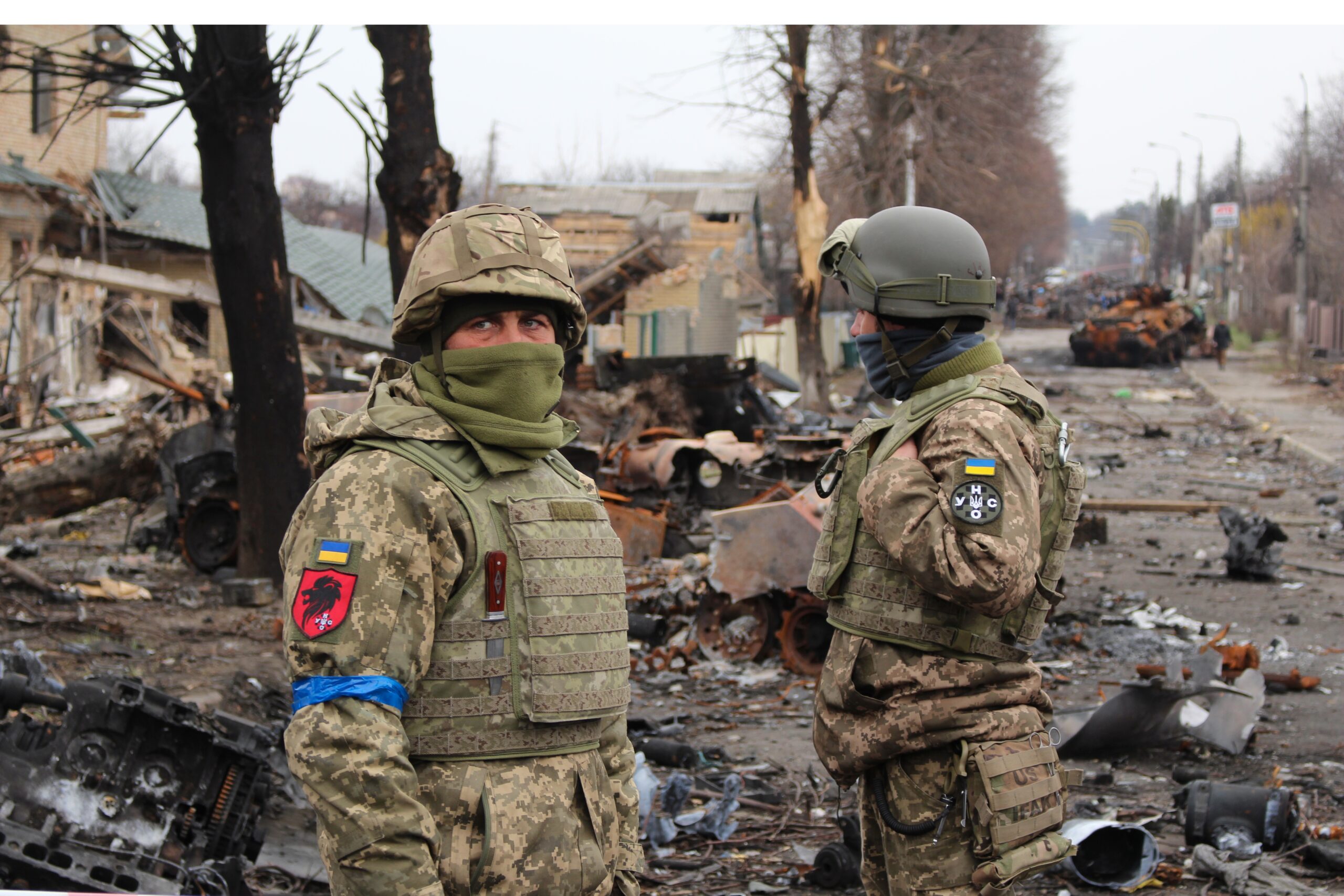
Belgium has rejected a proposal backed by several European Union members to channel proceeds from frozen Russian assets toward Ukraine, dealing a significant setback to the bloc’s efforts to secure long-term funding for Kyiv. The decision highlights growing divisions within the EU over how far it should go in leveraging Russia’s immobilized wealth, estimated at more than €200 billion across Europe.
- Why Belgium Said No: Legal and Financial Risks at the Core
- 1. Legal Vulnerability
- 2. Euroclear’s Systemic Exposure
- 3. Risk of Retaliation Against Belgian Interests
- 4. Precedent Setting
- The EU’s Push: Financing Ukraine in a More Challenging Environment
- • Using interest-like proceeds from frozen Russian reserves
- • Using the assets themselves as collateral or direct funding
- Why Belgium’s Role Is So Pivotal
- Reactions Across Europe: Frustration, Caution, and Strategic Reassessment
- Russia’s Position: Threats and Legal Countermeasures
- Economic Stakes: Euroclear at the Center of the Debate
- Implications for Ukraine: Funding Uncertainty Ahead
- What Happens Next?
- 1. Continue harvesting interest-like profits from frozen assets
- 2. Explore alternative legal frameworks within the G7
- 3. Seek Belgian compromise through new safeguards
- 4. Increase diplomatic pressure
- Conclusion: A Fault Line in European Unity
As host to the world’s largest concentration of Russian central bank assets—held primarily through Brussels-based clearing giant Euroclear—Belgium’s position is critical. Without its approval, any plan to redirect profits or principal from these assets faces substantial legal, political, and operational obstacles.
Why Belgium Said No: Legal and Financial Risks at the Core
Belgium’s government cited a range of concerns:
1. Legal Vulnerability
Belgian officials warn that using frozen sovereign assets risks violating international law and property protections. A misstep could expose:
- The Belgian state
- Euroclear
- The European Union
to lawsuits, asset seizures abroad, or retaliatory action from Russia.
2. Euroclear’s Systemic Exposure
Euroclear, which holds the bulk of Russia’s immobilized reserves, has already accrued billions in interest-like gains from these assets due to settlement processes. Belgium fears that diverting or seizing these proceeds could:
- Destabilize the clearing system
- Trigger counterclaims
- Jeopardize Euroclear’s global reliability
3. Risk of Retaliation Against Belgian Interests
Belgian companies operating in Russia could face punitive measures. The Belgian state has repeatedly stressed the need for caution.
4. Precedent Setting
Using sovereign assets—rather than only proceeds or profits—could set a precedent that undermines the credibility of Western financial systems for decades.
Belgium’s position has been consistent since early 2023 but became more explicit as EU discussions intensified.
The EU’s Push: Financing Ukraine in a More Challenging Environment
Several EU member states, along with the European Commission, have been searching for sustainable funding channels to support Ukraine’s defense and reconstruction. With political gridlock in Washington and budget fatigue across parts of Europe, frozen Russian assets appear—on paper—to be one of the most substantial untapped resources.
Two key proposals have circulated:
• Using interest-like proceeds from frozen Russian reserves
This is the most legally cautious approach, and the EU has already approved a framework to capture these earnings.
• Using the assets themselves as collateral or direct funding
A far more ambitious and controversial plan.
Belgium supports the first option but has strongly opposed the second.
Why Belgium’s Role Is So Pivotal
Belgium’s influence stems from one fact:
approximately €180 billion of the EU’s frozen Russian central bank assets sit at Euroclear in Brussels.
Because of this:
- No EU-wide scheme can function without Belgium
- Any move affecting Euroclear requires Belgian legislative approval
- Belgium’s courts would be the first to face legal challenges
This makes Belgium effectively the gatekeeper for any large-scale initiative involving Russian sovereign assets.
Reactions Across Europe: Frustration, Caution, and Strategic Reassessment
Supporters of the Plan
Countries such as Estonia, Latvia, Lithuania, and Poland argue that Russia’s aggression obligates the EU to use frozen assets more assertively. They view Belgium’s resistance as overly cautious.
More Cautious Member States
France, Germany, and the Netherlands share some of Belgium’s legal reservations, though they have been more open to using the interest proceeds.
European Commission
The Commission has pushed for a phased approach to minimize risk, but acknowledges that unilateral moves by Belgium could derail the broader strategy.
United States and G7 Partners
Washington has encouraged Europe to develop a legally durable mechanism but has also warned against jeopardizing the stability of global financial networks.
Russia’s Position: Threats and Legal Countermeasures
Moscow has repeatedly declared that any attempt to confiscate or redirect its sovereign assets would amount to “theft” and promised:
- Extensive litigation
- Counter-sanctions
- Seizure of Western companies’ assets in Russia
Russia has already passed domestic legislation enabling retaliatory seizures, further increasing the risks for any country hosting frozen assets.
Economic Stakes: Euroclear at the Center of the Debate
Euroclear has become an inadvertent giant in this geopolitical struggle. The clearinghouse is:
- A systemically important financial infrastructure
- A custodian for trillions in global securities
- A core pillar of the European financial architecture
Any threat to its legal protections or operational neutrality could unsettle investor confidence and global settlement flows.
Belgium’s government is therefore determined to avoid actions that might undermine a cornerstone of its financial sector.
Implications for Ukraine: Funding Uncertainty Ahead
Belgium’s rejection complicates the EU’s long-term financing plans for Ukraine. Without access to Russian assets, the EU must rely on:
- Direct budgetary contributions
- EU borrowing
- Joint aid facilities
- Additional defense spending commitments
These options could become politically contentious as war fatigue grows in parts of Europe.
Ukraine has urged the EU to continue pursuing innovative mechanisms to channel frozen Russian assets into reconstruction funding, arguing that Moscow should bear the financial costs of its invasion.
What Happens Next?
EU leaders are expected to pursue several parallel paths:
1. Continue harvesting interest-like profits from frozen assets
Belgium supports this and legislation is already in motion.
2. Explore alternative legal frameworks within the G7
A coordinated mechanism across Western economies could reduce risk and distribute liability.
3. Seek Belgian compromise through new safeguards
Potential measures include:
- Legal indemnities
- Insurance mechanisms
- Explicit EU liability sharing
4. Increase diplomatic pressure
Some member states are likely to lobby Brussels and Belgium for greater flexibility.
However, without Belgian approval, any plan involving the underlying €180 billion in frozen assets remains unworkable.
Conclusion: A Fault Line in European Unity
Belgium’s refusal to endorse the EU’s broader plan to tap Russian assets underscores a widening divide within Europe over how aggressively the bloc should support Ukraine through financial mechanisms that test international law and market stability.
While many European governments believe Russia’s frozen reserves represent a powerful tool for supporting Ukraine, Belgium’s insistence on legal and financial caution highlights how difficult it will be to build a unified, legally sustainable strategy.
The debate is far from over—and the outcome could shape both the future of the war in Ukraine and the credibility of Western financial institutions for years to come.